Best Time to Visit Madeira: Month-by-Month Guide
The honest answer to when you should come to Madeira is almost any month, which is a useless answer, so this guide gives you the useful version instead. Funchal runs from about 17 degrees in January to 26 in August and the sea never drops below 17, so no month is cold and no month is hot. What actually changes across the year is the rain, the crowds, the price and whether the levadas are running full, and those four are what should decide your dates.
The best month for Madeira depends on what you came for
- Best overall. May, then September. Warm, dry, not yet busy or no longer busy.
- Best for walking. April and May, October and November. Cool trails and full levadas.
- Best for swimming. August and September. The sea peaks in September, not in July.
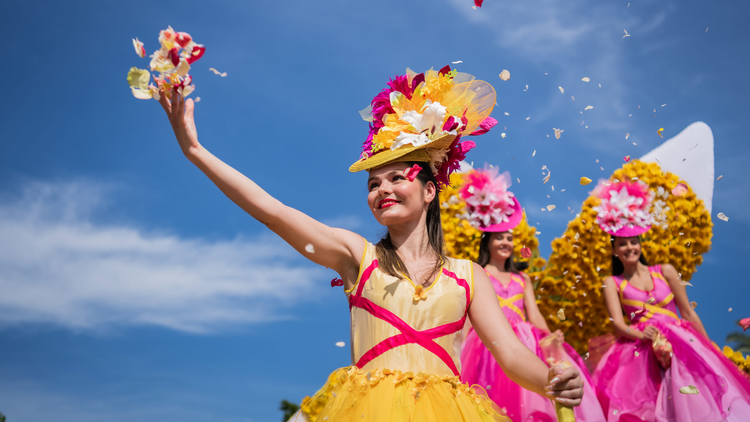
- Best for flowers. Late April into May, around the Flower Festival.
- Best for value. November through February, New Year excepted.
- Busiest. August, and the week either side of New Year's Eve.
- Wettest. November through February, and it falls on the north far more than the south.
- Never worth avoiding. Any of them. There is no month here that does not work.
If your dates are already fixed, skip to the month by month table and read the row you booked.
Why the Same Day Is Two Different Days Here
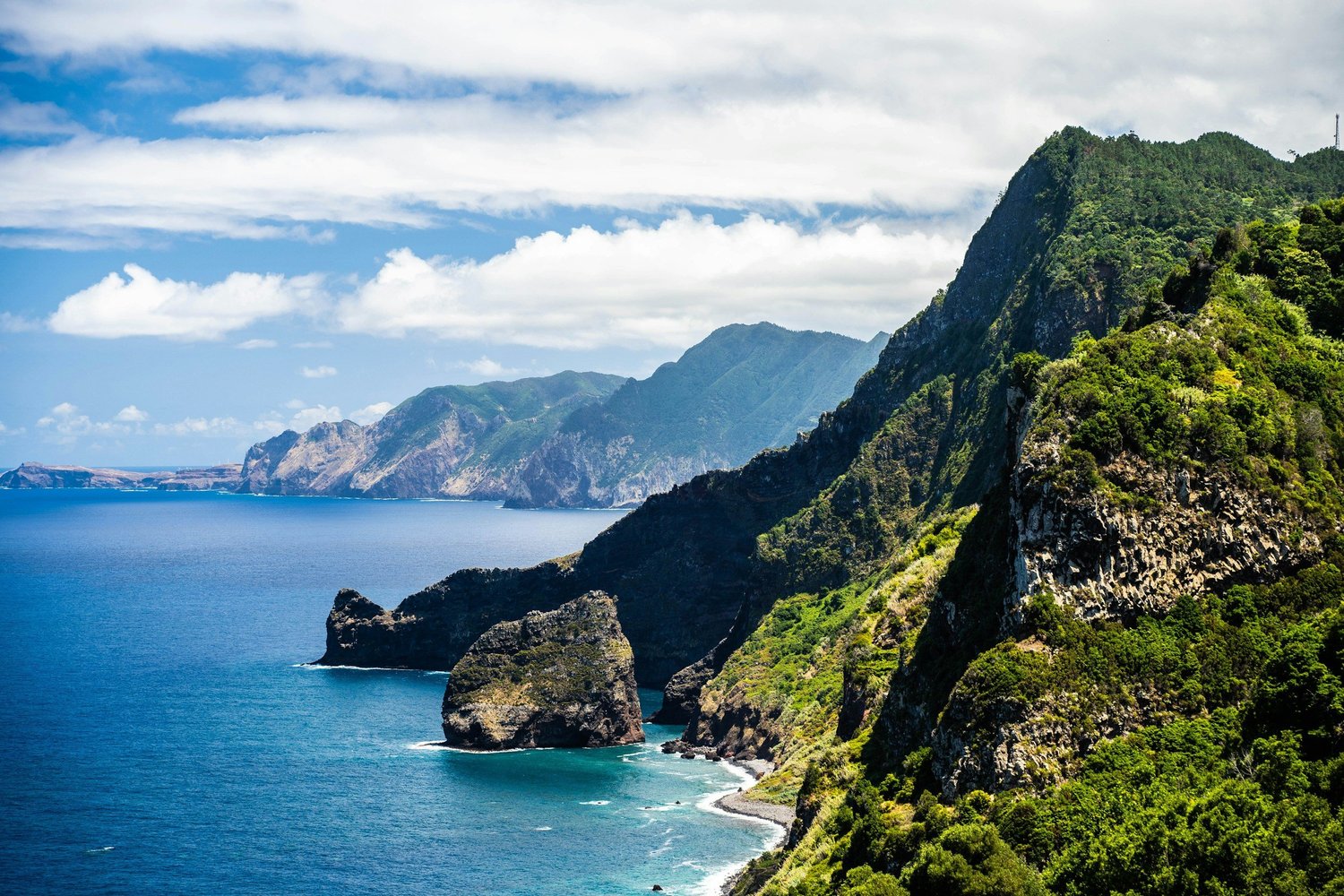
Madeira sits in the Atlantic at roughly the latitude of Casablanca, and the Gulf Stream keeps the sea and the air mild all year. That is the part every guide tells you. The part that matters more is the mountain in the middle: a spine rising to 1,862 metres that stands across the prevailing north easterly and takes the water out of it. The north coast gets the rain and stays green. The south coast, where Funchal is, gets the sun.
The consequence is that a single forecast for Madeira is close to meaningless. It can be 24 degrees and cloudless on the Funchal promenade while the laurel forest an hour north is in cool mist and the ridge above it is above the cloud entirely, all at the same moment on the same afternoon. This is why people report wildly different weather from the same week, and why the correct response to a grey morning is to drive somewhere else rather than to write the day off.
Two practical rules follow. Pack layers in every month, because you will be at sea level and at 1,500 metres on the same day. And treat the numbers in the table below as Funchal numbers, because that is what they are: at the top of Pico do Arieiro, subtract about ten degrees and add wind.
If a forecast shows rain for your whole trip, look at where. Rain over Santana and São Vicente is normal and often means the south is fine. The genuinely wet weeks are the ones where the whole island is under the same front, and they cluster in December and January.
Madeira Weather Month by Month
Daytime highs and sea temperatures for Funchal, on the south coast, at sea level. These are averages, so any individual week can be warmer or wetter, and the interior is always cooler than every figure in this table.
| Month | Funchal high | Sea | Rain | What it is good for |
|---|---|---|---|---|
| January | 17 °C | 18 °C | Moderate | Empty trails, low prices, clear cold mornings |
| February | 17 °C | 17 °C | Moderate | Carnival, and the city at its liveliest |
| March | 18 °C | 17 °C | Moderate, easing | Green mountains, quiet paths, spring events |
| April | 20 °C | 18 °C | Low | The best levada walking of the year |
| May | 22 °C | 19 °C | Low | Everything, which is why it is our pick |
| June | 24 °C | 21 °C | Very low | Long evenings, fireworks, warm nights |
| July | 26 °C | 22 °C | Very low | Reliable sun, if you can take the crowds |
| August | 26 °C | 23 °C | Very low | Swimming, wine harvest, peak everything |
| September | 25 °C | 24 °C | Very low | The warmest sea of the year, thinning crowds |
| October | 23 °C | 23 °C | Rising | Quiet, cheap, and the surf season starting |
| November | 20 °C | 21 °C | Moderate | The laurel forest after rain, and no one else on it |
| December | 18 °C | 19 °C | Moderate | The illuminations, and the New Year fireworks |
What the table cannot say is how the rain arrives. In Funchal it is usually an hour rather than a day, and it tends to come in the afternoon rather than the morning, which is the argument for starting early in every month in the bottom third of this table.
Spring, and Why We Would Book It
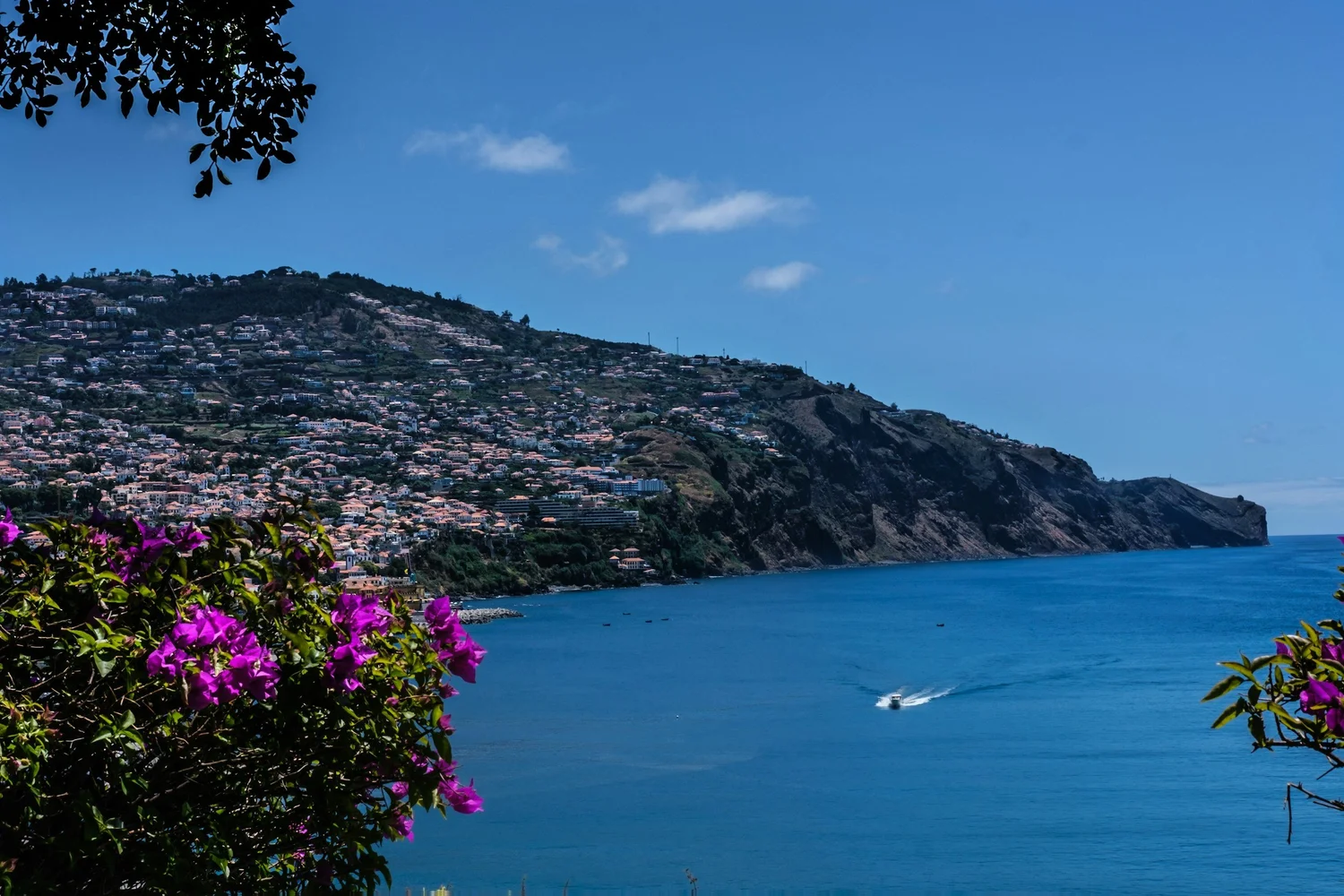
Spring is the season the island is named for. The winter rain has just finished filling everything, the levadas are running at their fullest, the flora is doing what the tourist board photographs, and the temperature has come up far enough to be pleasant without going anywhere near hot. If somebody asked us to pick one season and never come in another, it would be this one.
Green, quiet, and cheaper than it should be
The mountains are vividly green after the winter, the paths are close to empty and the city has a busy cultural month with the Madeira Music Festival running most of it. Rain is still around but easing. This is the month with the best ratio of what you get to what you pay.
The best walking of the year
Twenty degrees, low rainfall and water in every channel. The levadas are at their best in April and so is the light in the laurel forest. The Flower Festival usually starts at the end of the month and turns Funchal into something genuinely worth timing a trip around. Book trail permits early, because festival weeks fill the popular routes.
The single best month
Twenty two degrees, almost no rain, the Flower Festival running into the first week, the sea warm enough to swim in without ceremony, and the summer crowds still six weeks away. If your dates are open and you want one recommendation from this page, it is the second half of May.
Summer, and What Peak Season Actually Costs You
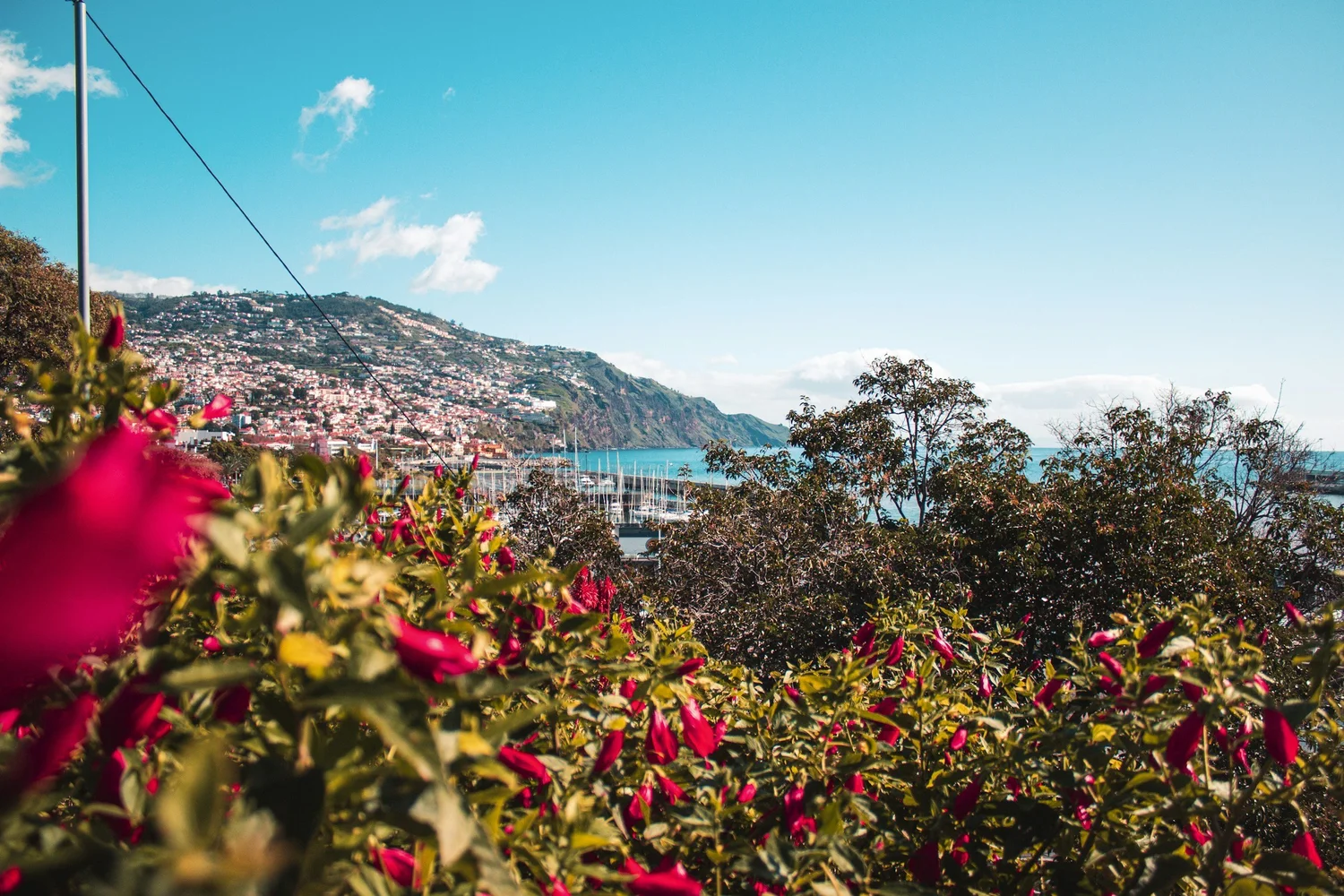
Madeira does not get hot the way the Mediterranean gets hot. Twenty six degrees is the ceiling in an average August and the Atlantic breeze takes the edge off that, so a summer here is comfortable rather than punishing. What summer costs you is not heat, it is space: the Lido fills, the Old Town fills, the popular trailheads have cars parked down the access road, and the permit slots for PR1 go weeks ahead.
The best of the three
Twenty four degrees, essentially no rain, long light evenings, and the Atlantic Festival putting fireworks over the bay on Saturday nights through the month. The island does not properly fill until the middle of June, so the first fortnight is close to a free summer month.
Reliable, and busy with it
The most dependable weather of the year and the second busiest month. If you are here in July, start early on everything: the trailhead at eight, the market at half past two, and dinner at nine like the locals. Book the classified trails the day your flights are confirmed.
Warmest, busiest, and the wine harvest
The peak of everything, including prices. It is also when the Madeira Wine Festival starts, with the grape harvest in Câmara de Lobos and tastings across the city running into September, which is a genuine reason to be here rather than a consolation.
Autumn, the Season Most People Underrate
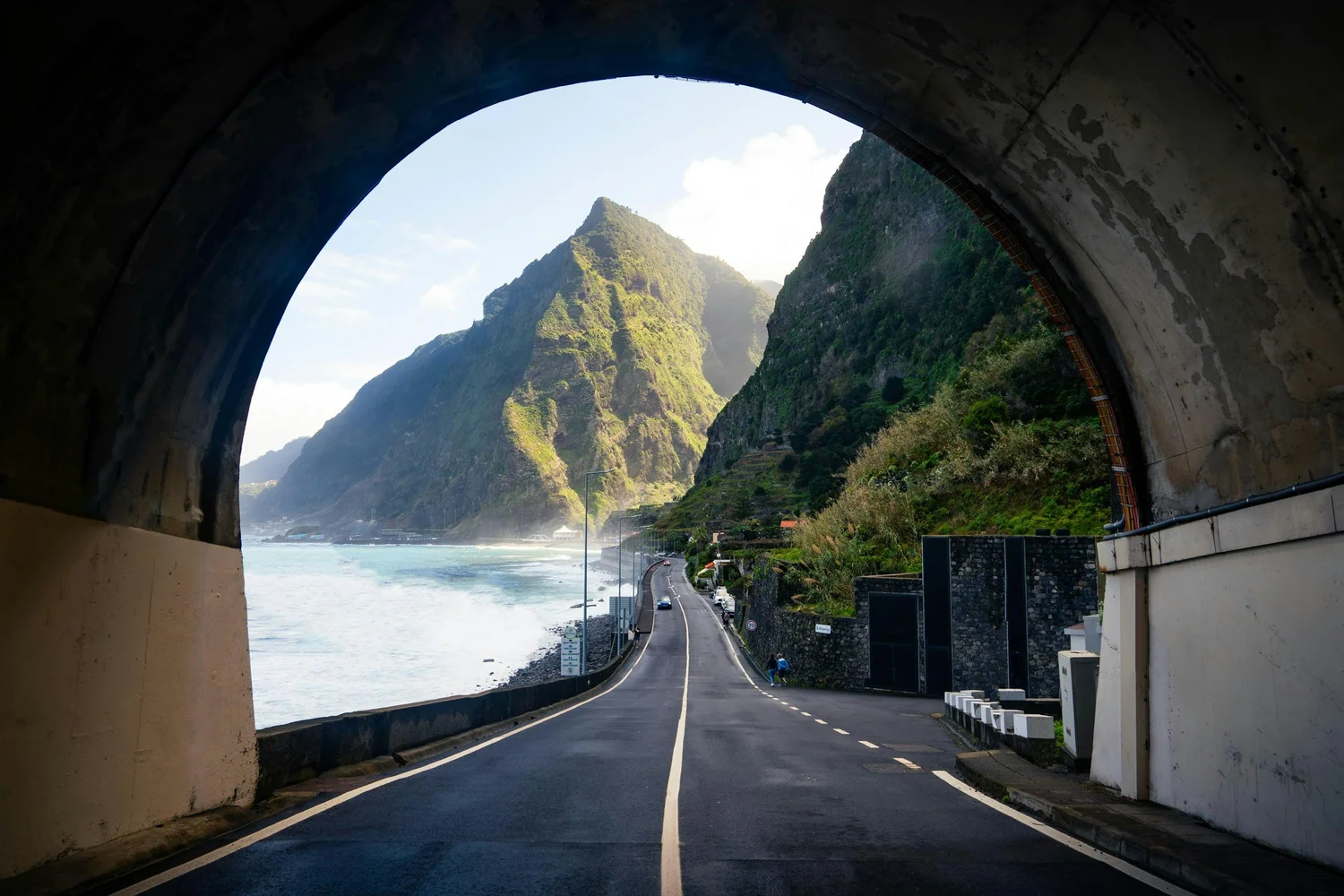
Autumn is where the value is. September has the warmest sea of the year and half of August's crowd, October is quiet and cheap with the surf season starting, and November has the forest at its most spectacular and almost nobody in it. The trade is that the weather stops being a formality: from October you are looking at forecasts again.
The warmest water of the year
The sea peaks at 24 degrees in September, not in July, which surprises people every time. Add 25 degree air, very little rain, the last of the Wine Festival and a crowd that thins noticeably after the first week, and September is the strongest month on this page after May.
Quiet, cheap, and the surf arrives
Sunny mornings that can turn into afternoon showers, the island at its emptiest, and the west coast reef breaks starting to work as the north Atlantic swells arrive. If you surf, this is when to come and Paúl do Mar is where to stay.
Green, wet, and genuinely peaceful
The rain comes back properly and the laurel forest is worth every drop of it: everything drips, the waterfalls run hard, and you can walk a famous levada and pass six people. This is the month the island belongs to the people who live here, and it is a fine time to be a slow traveller and a poor one to be a sunbather.
Winter, Which Is Not Really Winter
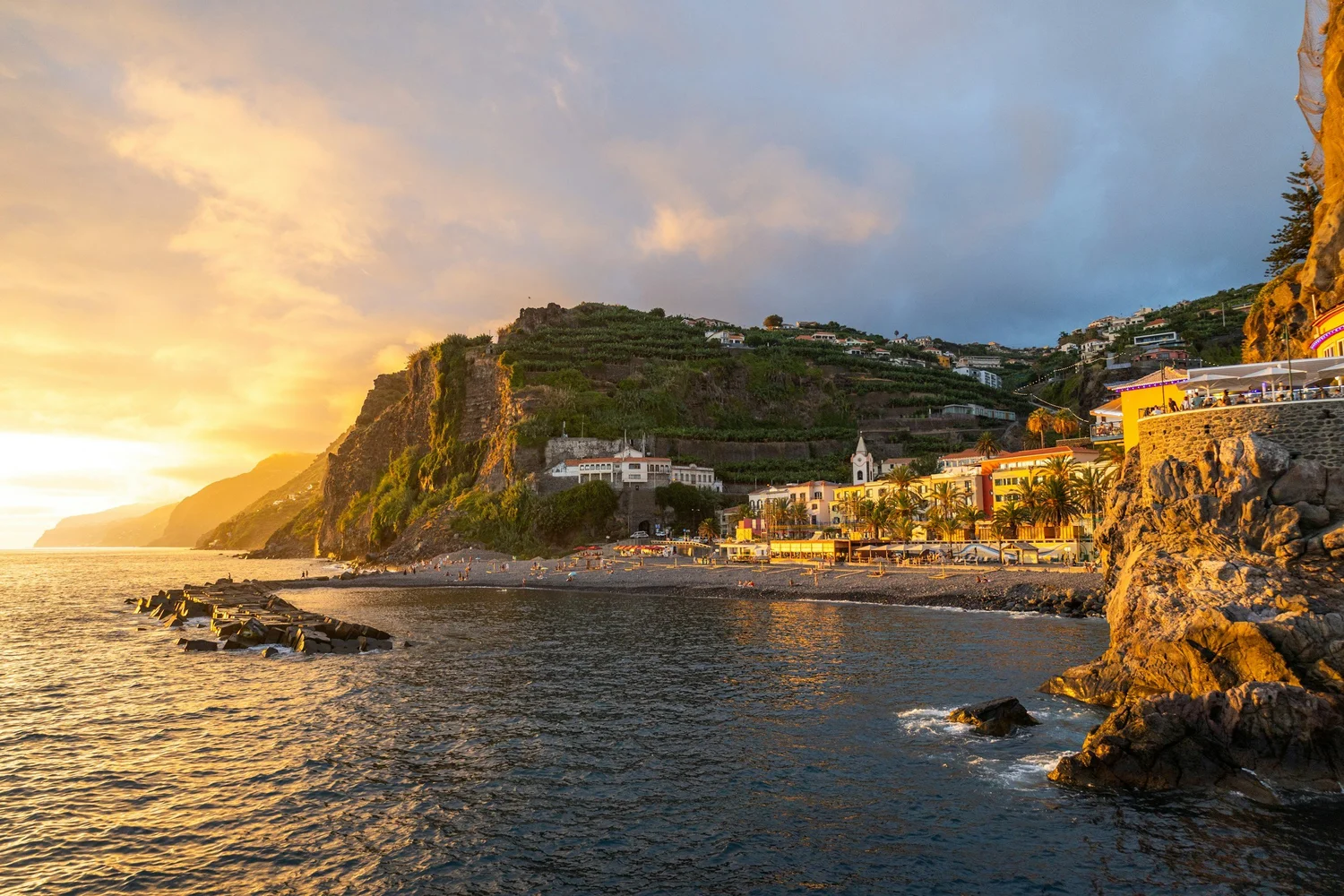
Seventeen degrees and sunshine in January is what most of Europe would call a good spring day, and it is why Madeira has had a winter season since the Victorians. It rains more, the sea is at its coolest at 17 degrees, and the daylight is shorter. Everything else about the island carries on exactly as it does in June.
Illuminations, then the fireworks
Funchal puts up Christmas lighting from the start of December that is a genuine attraction rather than municipal decoration, and finishes with a New Year display fired from the hillsides all around the bay which is among the largest in the world for a city this size. The last ten days of December are the most expensive of the year and book out months ahead.
The quietest, cheapest fortnight
Once the New Year crowd has flown home around the sixth, the island empties and the prices fall through the floor. Mornings are cool and often exceptionally clear, which makes January one of the best months of the year for the high ridge walks on the days the weather allows them.
Carnival
Two weeks of parades, costume and music through the streets of Funchal, and it is a real local carnival rather than a performance staged for visitors. The city fills for it, so book early if you are coming for it and book early anyway if you are not, because you will be sharing the city with everyone who is.
The Dates Worth Building a Trip Around
The island's calendar runs all year and the full events calendar has everything on it. These four are the ones that are worth moving your dates for, and each of them changes the character of the city for the fortnight it runs.
 Events
Madeira Carnival
Read more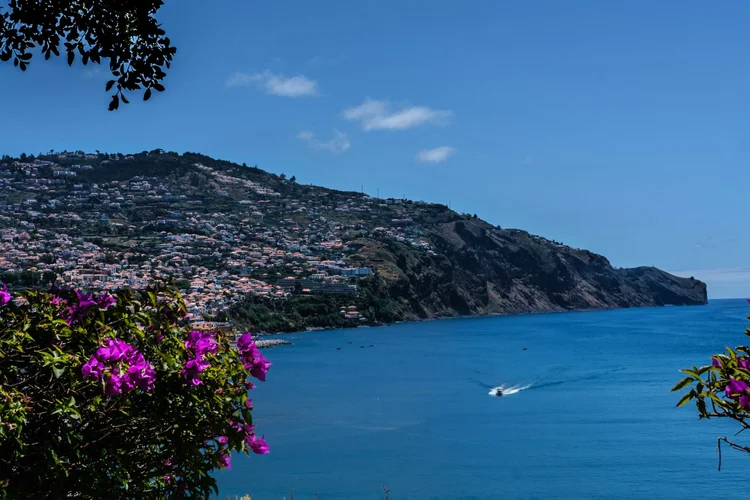 Events
Flower Festival
Read more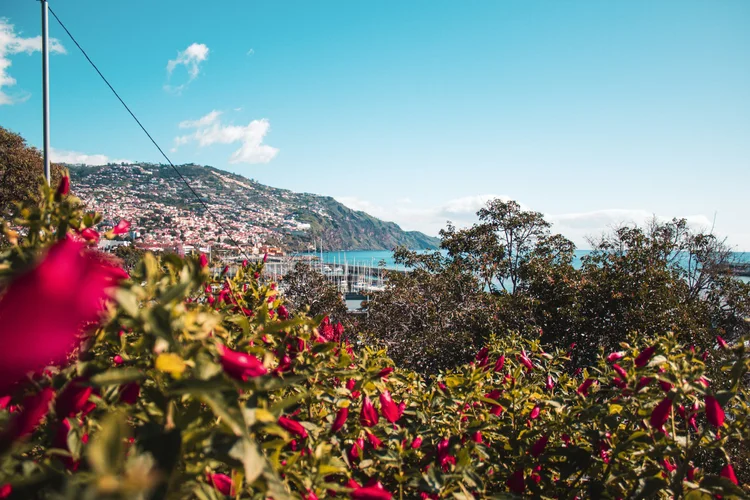 Events
Atlantic Festival
Read more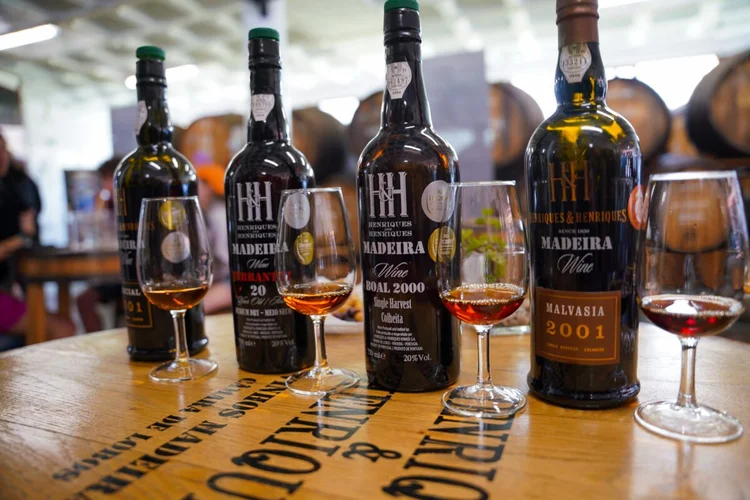 Events
Madeira Wine Festival
Read moreAll four of these fill the city, and New Year fills it hardest of all. If your dates overlap any of them, book the stay first and work out the rest afterwards, because accommodation is the thing that runs out.
What We Would Actually Book, and Why
If the trip is about walking, come in late April or early October. Full levadas and a comfortable temperature on a five hour day are worth more than a guaranteed cloudless sky, and you will have the popular routes to yourself in a way that is simply not available in July.
If the trip is about the sea, come in September. The water is warmer than it is in August, the air is still 25 degrees, and the crowd goes home in the first week of the month. If the trip is about price, come in the second half of January, when the island is emptier and cheaper than at any other point in the year and the mornings are frequently perfect.
And if the trip is a first trip and the dates are open, come in the second half of May. Then plan the days around it with the seven day itinerary or the five day, and pick an area with the area guide. The wider picture, if you are starting from nothing, is in the Madeira travel guide.
When to Visit Madeira, Answered
What is the best month to visit Madeira?
May, with September a close second. May gives you 22 degrees, very little rain, the levadas running full and the summer crowds still weeks away. September gives you the warmest sea of the year at 24 degrees and a city that empties out after the first week. April and October are the two next best, and both are cheaper.
Is Madeira good in winter?
Yes, and it has been a winter destination since the Victorians for good reason. Funchal sits around 17 degrees in January and February, the sea stays at 17, and the trails are empty. It rains more than in summer, but usually in bursts rather than all day, and the second half of January is the cheapest and quietest fortnight of the year.
Does it rain a lot in Madeira?
On the south coast, no, not by Atlantic island standards. Funchal, the Lido and Calheta sit in the rain shadow of the mountains and get a fraction of what falls on the north. The north coast around São Vicente and Santana is genuinely wet and that is exactly why it is so green. Rain in Funchal is usually an hour, not a day.
Is Madeira hot in summer?
Warm rather than hot. August averages about 26 degrees in Funchal and the Atlantic breeze keeps that comfortable, so it is nothing like southern Spain, Greece or the Algarve in the same month. You can walk a levada in August without suffering, which is not true of most European destinations at that time of year.
When is the sea warmest in Madeira?
September, at about 24 degrees. The sea lags the air by roughly two months, so it keeps warming through August and peaks after the hottest air temperatures have passed. It is still 23 degrees in October and it never drops below about 17 in February, which is cool but swimmable.
What is the cheapest time to visit Madeira?
The middle of January to the end of February, and the first half of November. The one thing to avoid if you are watching the price is the last ten days of December: New Year in Funchal is the most expensive week of the year and it books out months in advance.
Where to Stay, Whichever Month You Pick
The month should nudge the area as well as the dates. In the wetter half of the year, from November to February, base yourself on the south coast where the rain shadow is: Funchal for the city and the restaurants, or the far south west around Paúl do Mar, which is the driest corner of the island. In the dry half, from May to October, the choice opens up and it becomes a question of what you want rather than what the sky is doing, with the west coast at its best in the autumn when the surf arrives. Use the filter to see one area at a time.
Once the month is settled
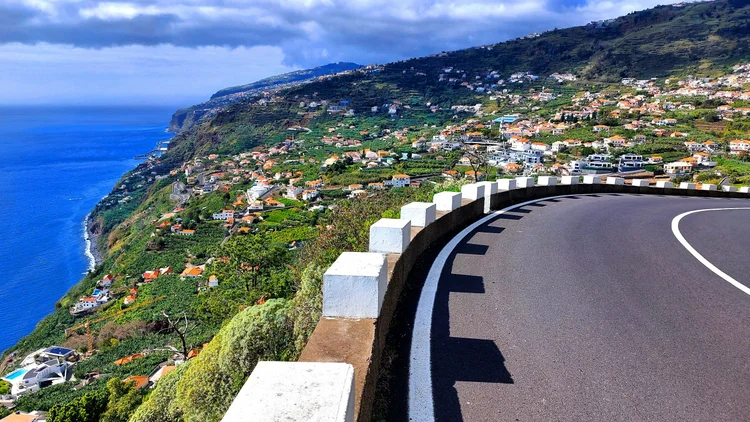 Itineraries
Madeira 7-Day Itinerary
The week we give guests who ask, day by day, from a Funchal base.
Read guide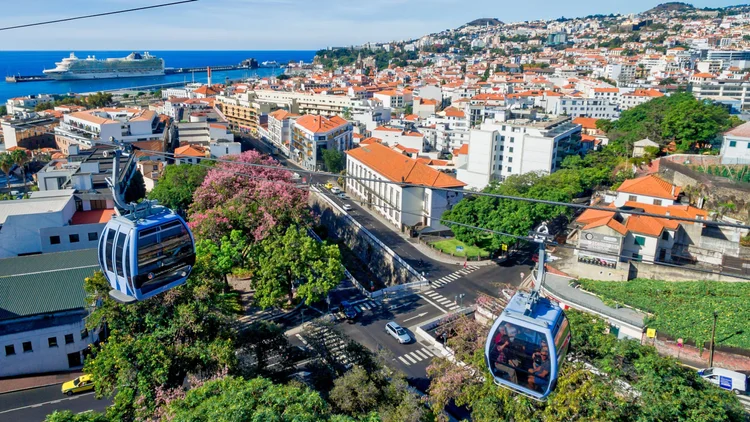 Areas
Areas
Best Places to Stay in Madeira
Every part of the island compared as a base, and which one suits your month.
Read guide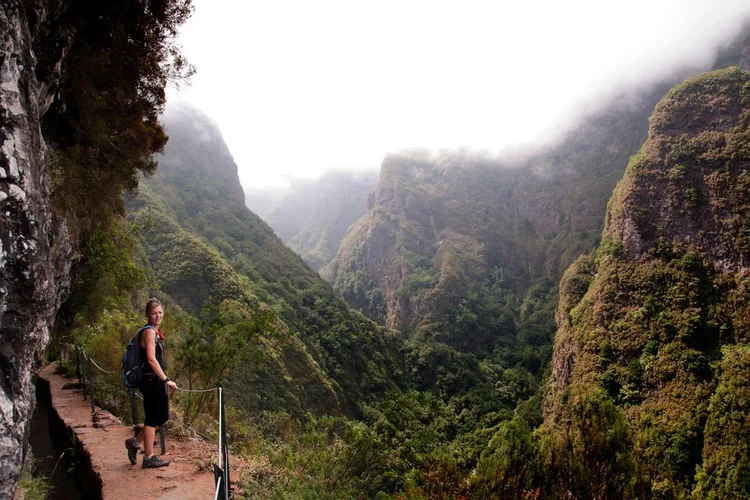 Hikes
Hikes
Best Hikes and Levada Walks in Madeira
Six walks worth a whole day, and which of them the season you booked suits.
Read guide