Madeira Travel Guide (2026): Ultimate Tips, Itineraries & Where to Stay
This is the page to read first if you have booked Madeira and do not yet know what you have booked. It covers what the island actually is, when to come, how to get there and around, roughly what it costs, what you will eat, and the handful of things that genuinely surprise people, and it hands each of those to a guide that goes deeper. We live and host here, so everything below is what we tell guests before they arrive rather than what reads well in a brochure.
Madeira at a glance
- Where. The Atlantic, about 1,000 km south west of Lisbon and 600 km off Morocco. Portuguese, and not the Canaries.
- Getting in. Funchal airport, code FNC. Four hours from the UK, an hour and a half from Lisbon.
- The capital. Funchal, on the south coast, where most people stay and where everything arrives.
- Language and money. Portuguese, euros, and English spoken almost everywhere a visitor goes.
- Paperwork. Portugal, so Schengen. UK, EU and EEA passports need nothing else.
- Best months. May and September first, April and October next. No month is actually bad.
- Getting around. Funchal on foot, the rest of the island by car.
- How long. Five to seven days for a first trip. Three is a city break, ten is a proper one.
If you only read one more page after this one, make it the area guide, because where you sleep shapes the trip more here than the dates do.
What Madeira Actually Is, and What It Is Not
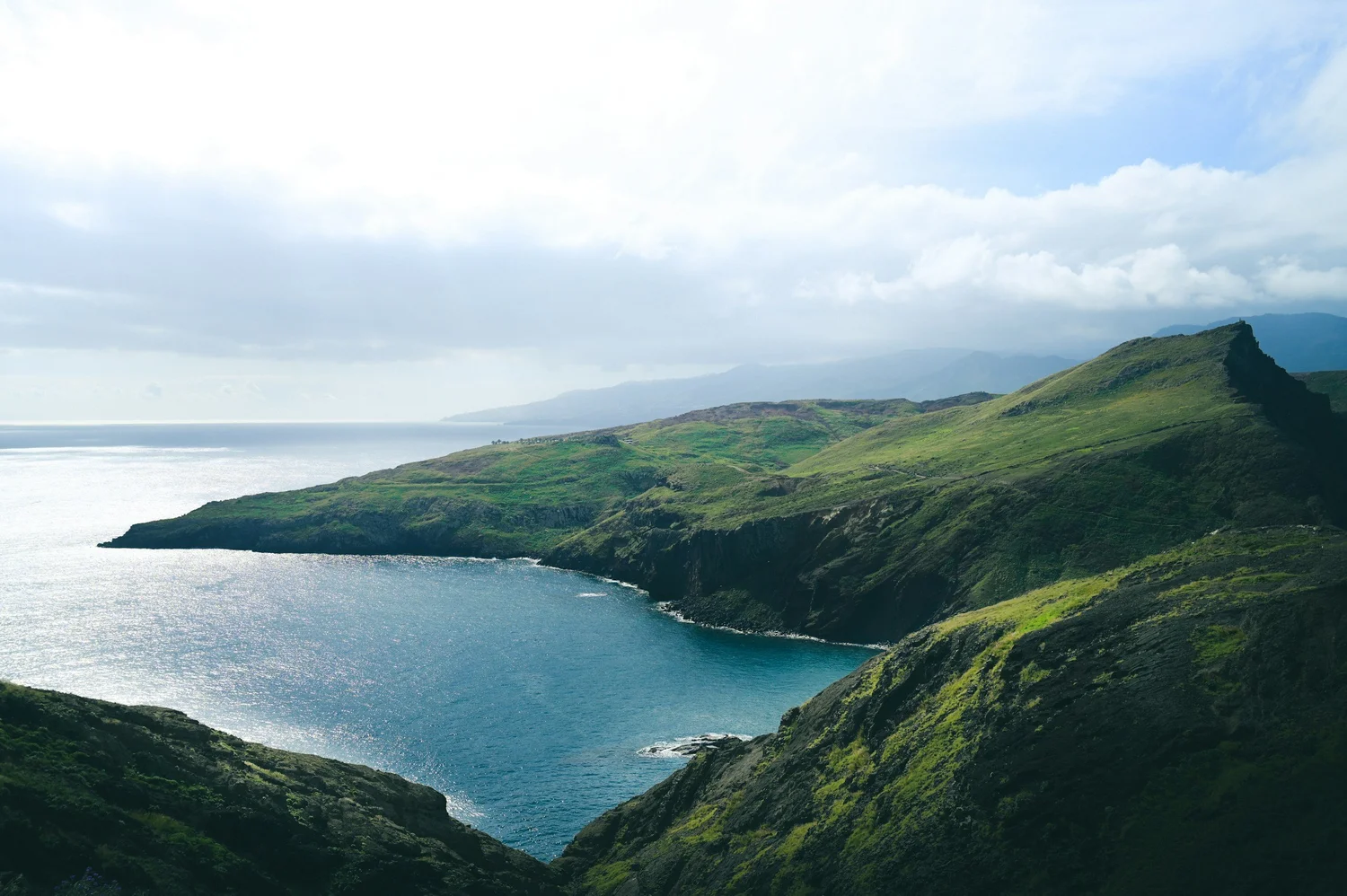
Madeira is the top of a volcano. It rises from four kilometres of ocean floor to 1,862 metres in about twenty kilometres of horizontal distance, which is why the roads are the way they are and why nothing on the island is flat. It is 57 kilometres long, 22 wide, and about 250,000 people live on it, most of them on the south coast. It is a full autonomous region of Portugal, not a colony or a dependency, and it has been settled since the 1420s.
What that means for a holiday is that Madeira is a walking and driving island rather than a beach island. There are two stretches of golden sand on the whole coast and both were imported. What there is instead is a UNESCO laurel forest that predates the last ice age, 2,000 kilometres of hand cut irrigation channels with footpaths beside them, sea cliffs among the highest in Europe, and a capital city with a genuinely good restaurant scene for its size.
The two things visitors most often get wrong before they arrive are the geography and the weather. It is not in the Canaries and it is not off Spain. And it does not have one climate: the south is dry and sunny, the north is wet and green, and the middle is a mountain that makes its own weather, so the forecast you check in Funchal describes about a third of the island.
If you are coming for a beach fortnight, this is the wrong island and Porto Santo, the smaller island next door, is the right one: it has nine kilometres of golden sand and a ferry from Funchal that takes two and a half hours. Plenty of people do a week here and three days there.
When to Visit, in One Paragraph Each
Madeira runs from about 17 degrees in January to 26 in August at sea level in Funchal, and the sea from 17 to 24. That is a narrower band than almost anywhere else in Europe, which is what the island of eternal spring label is actually describing. There is no closed season and no month that does not work.
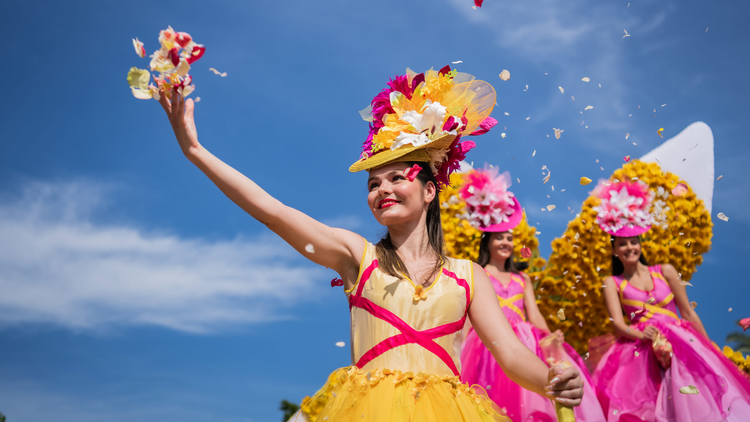
Spring, March to May, is the best walking of the year. The winter rain has filled every levada, the flora is at its peak, the Flower Festival turns Funchal into something worth timing a trip around at the end of April, and May is the single strongest month on the calendar.
Summer, June to September, is warm, dry and busy. It never gets Mediterranean hot, so a summer walk here is comfortable, but July and August fill the city and the trailheads and put the prices up. September is the quiet secret: the warmest sea of the year and half the crowd.
Autumn and winter, October to February, is where the value is and where the rain is. October is quiet and cheap with the surf arriving on the west coast, November has the forest at its best, January is the emptiest fortnight of the year, and February belongs to Carnival. December is the exception to all of it: the New Year fireworks make the last ten days the most expensive of the year.
The full breakdown, with temperatures, sea, rain and crowds for all twelve months, is in the best time to visit Madeira.
Getting to Madeira, and In From the Airport
Almost everybody flies into Cristiano Ronaldo Madeira International, code FNC, on the south coast about twenty minutes east of Funchal. From the UK it is three and a half to four hours, from Lisbon about an hour and a half, and from most of northern Europe four to five. TAP, Ryanair, easyJet, Jet2 and Condor all run the route, with far more capacity in summer than in winter.
The airport has a reputation, and it is half deserved. The runway is built out on concrete columns over the sea and the approach curves in past the cliffs, so a windy day makes for a memorable landing and occasionally a diverted one. The pilots who fly it are specifically certified for it. It is safe, it is just not dull.
Coming in, a taxi to central Funchal is a fixed 25 to 30 euros and takes twenty minutes. The airport bus is 3 to 4 euros and takes 40 to 50 minutes with the stops. Bolt operates but driver numbers are thin, particularly late. A pre booked private transfer is the answer for groups, a late arrival or anyone with a lot of luggage, and Taxi Service Madeira is the operator we use.
Every option with current prices and journey times is compared in the airport transfer guide.
Getting Around Once You Are Here
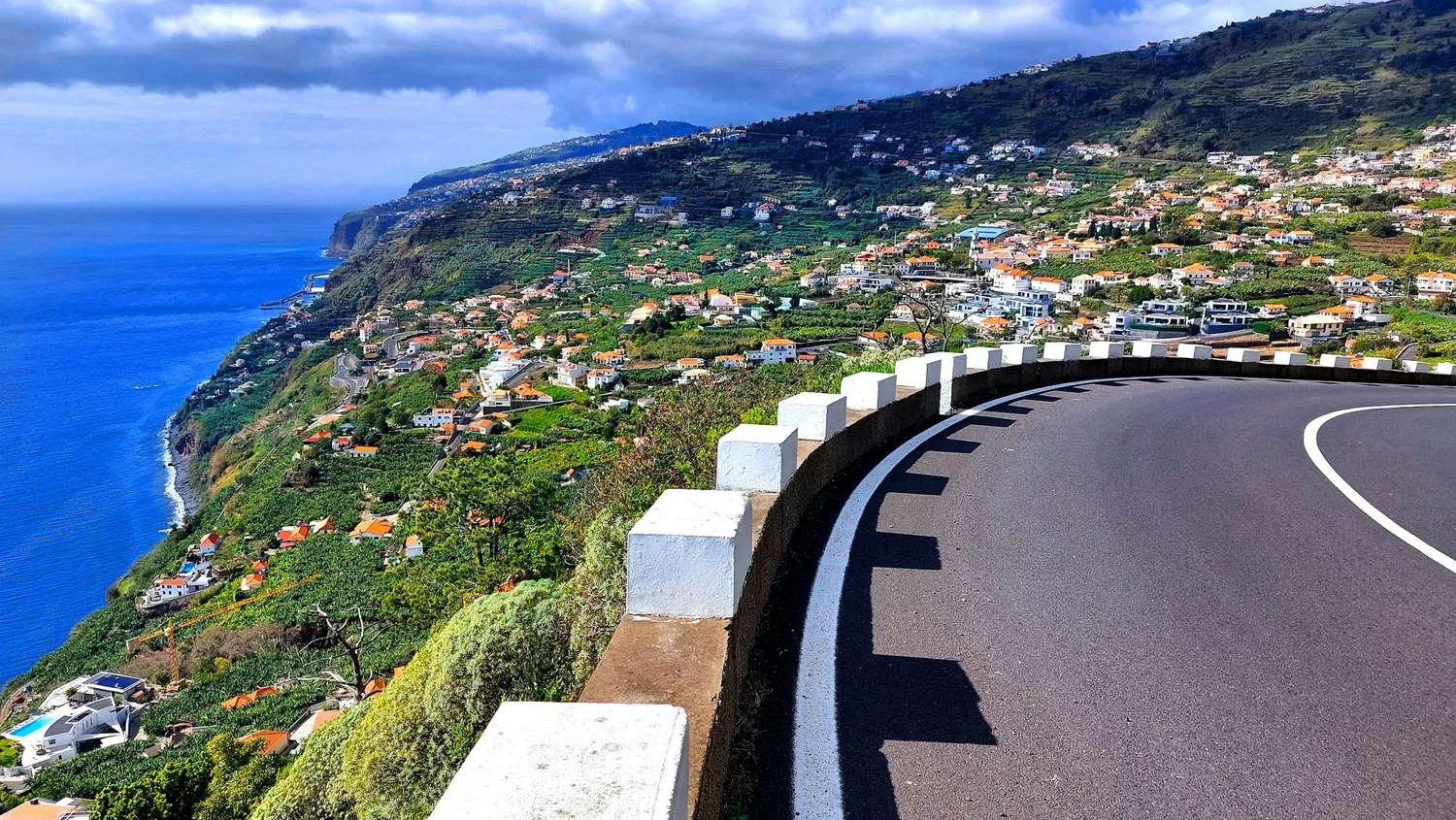
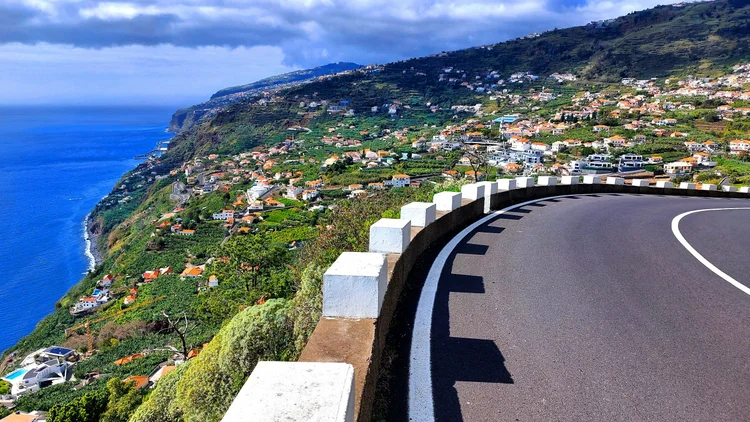
By car is how you see the island. The Via Rápida runs the length of the south coast in a chain of tunnels and viaducts and it is fast, modern and easy. Everything off it is a different proposition: steep, narrow, with gradients that would be closed to traffic in most countries, and the occasional single track with a drop on one side. It is entirely manageable if you take it slowly and it is genuinely unnerving if you do not. Go Go Away is the rental partner we send guests to.
By bus works better than people expect and slower than they hope. Horários do Funchal covers the city and the inner ring, and SAM, Rodoeste and EACL cover the rest of the island. It is comprehensive, cheap and built around residents rather than visitors, which means the timetable often does not put you at a trailhead in the morning and back in the evening.
By taxi and Bolt is easy in Funchal at any hour and thins quickly outside it. A taxi to a trailhead and a pre agreed pickup is a normal way to walk a one way route without two cars, and it is what a lot of our guests do for PR1.
On foot is the whole point in Funchal, which is compact enough to cross in half an hour, and on the levadas, which is why most people are here. If you would rather not drive at all, that is a real option and we have written it up: staying in Madeira without a car.
Hire cars sell out on this island in a way they do not in most places, because the fleet is finite and the ferry from the mainland is two days. In July, August and at New Year, book the car at the same time as the flights, not the week before.
Where to Base Yourself
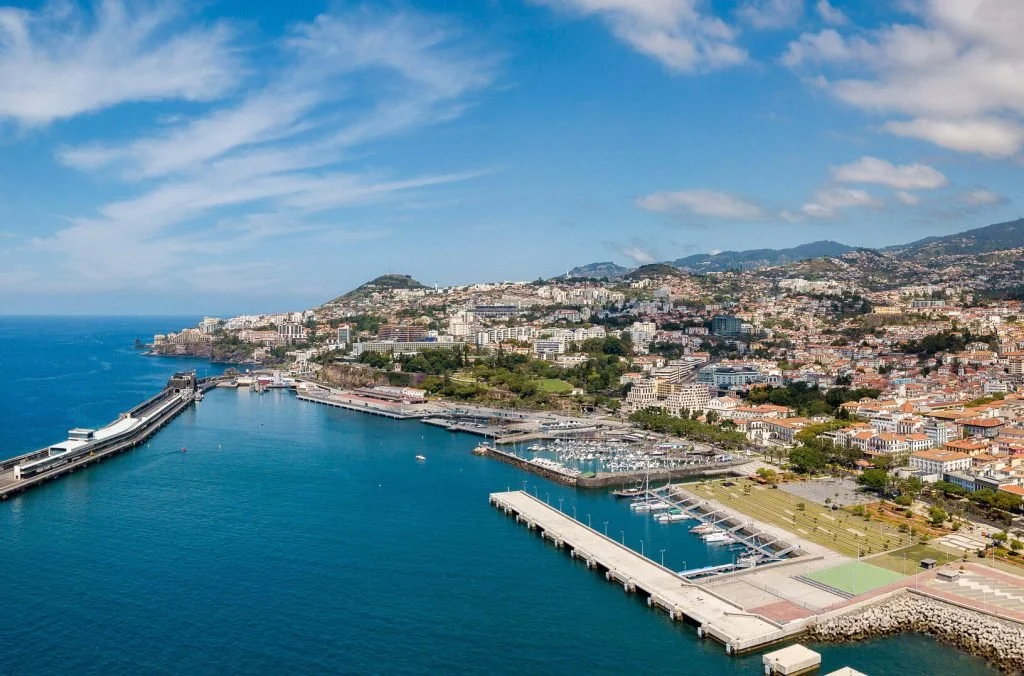
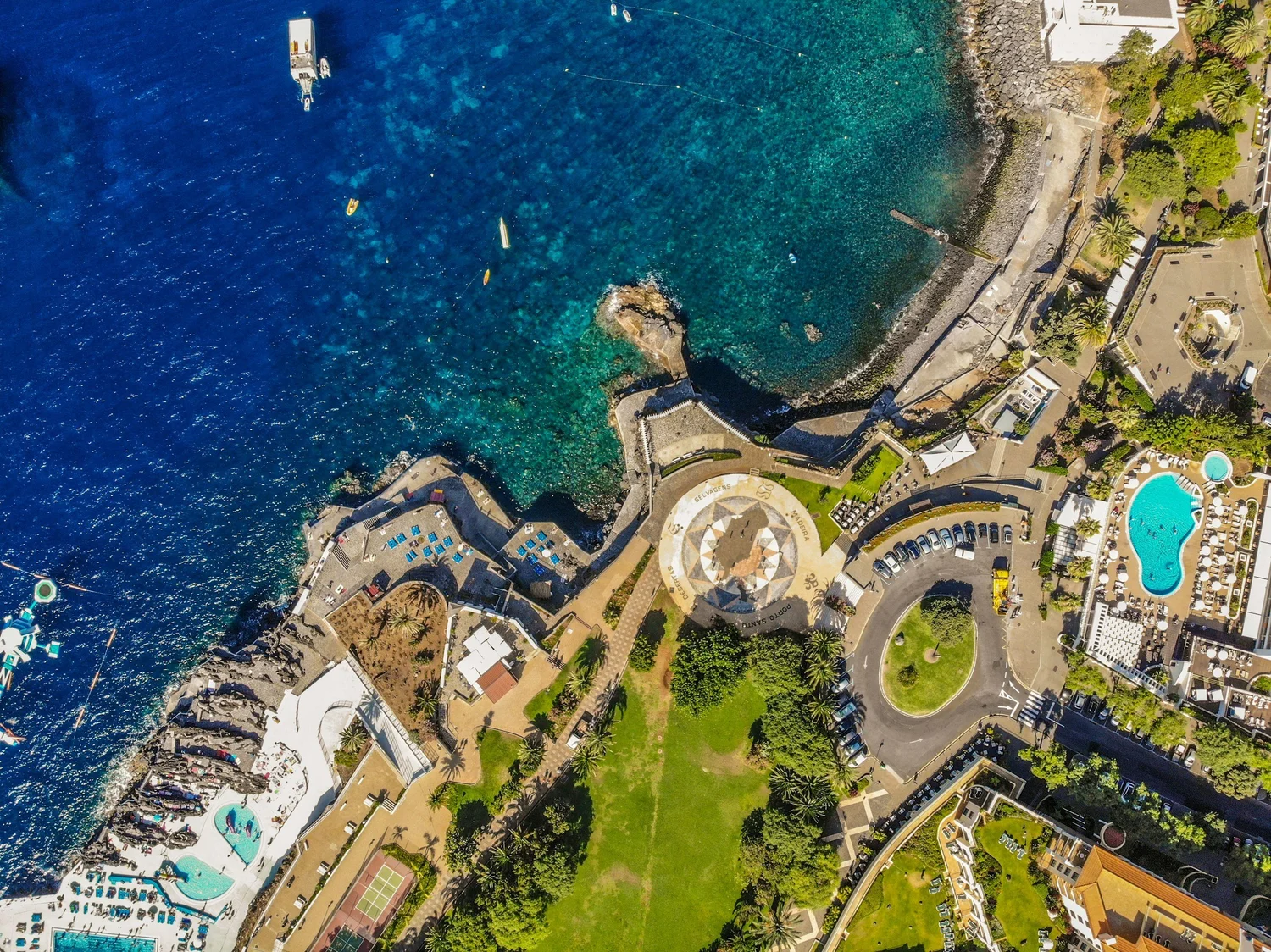
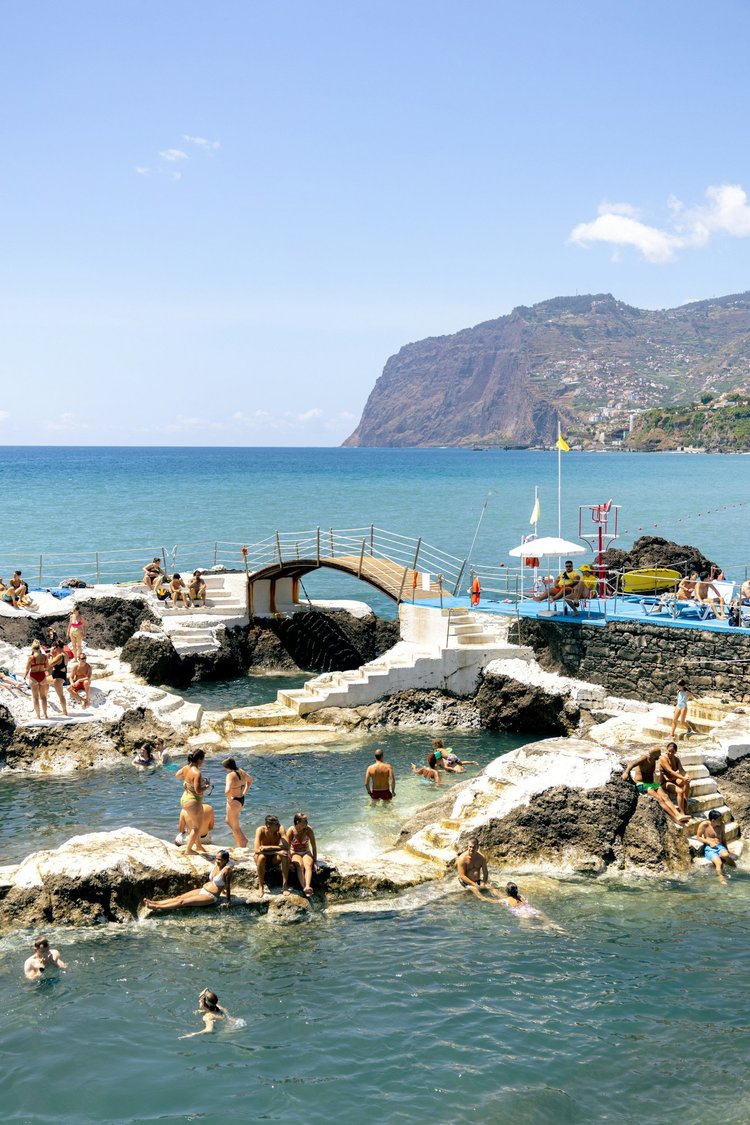
Funchal is the answer for most first trips and for anybody not driving. It is walkable end to end, it has the restaurants, the market, the cable car and the promenade, and every road and bus on the island starts here. Within it, the Old Town and Rua da Carreira are the atmospheric choice, the Lido is the swimming choice, and Avenida do Infante sits between the two.
The west coast, and Paúl do Mar in particular, is the answer for a second trip, for surfers and walkers, and for anyone who wants the island rather than the capital. It is an hour from Funchal, it needs a car without exception, and the people who love it love it considerably more than the Funchal regulars love Funchal.
Everywhere else, and that includes Santana, São Vicente, Porto Moniz and Câmara de Lobos, is a day trip rather than a base. The full comparison, including Calheta and the east, is in the area guide, and the street by street version of Funchal is in where to stay in Funchal.
What People Actually Come Here to Do
Five things account for most of what most visitors do, and they are five genuinely different kinds of day. The ranked version, with ten of them, is in the best things to do in Madeira.
Walk a levada
The irrigation channels are the reason the island is a hiking destination. Flat paths at altitude through laurel forest, ending at a waterfall or a viewpoint, and there are two thousand kilometres of them. Caldeirão Verde and 25 Fontes are the two everyone does first.
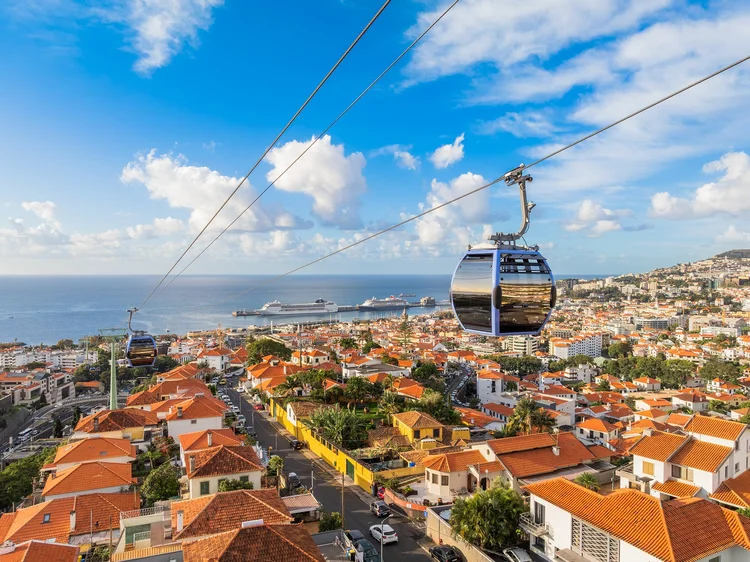
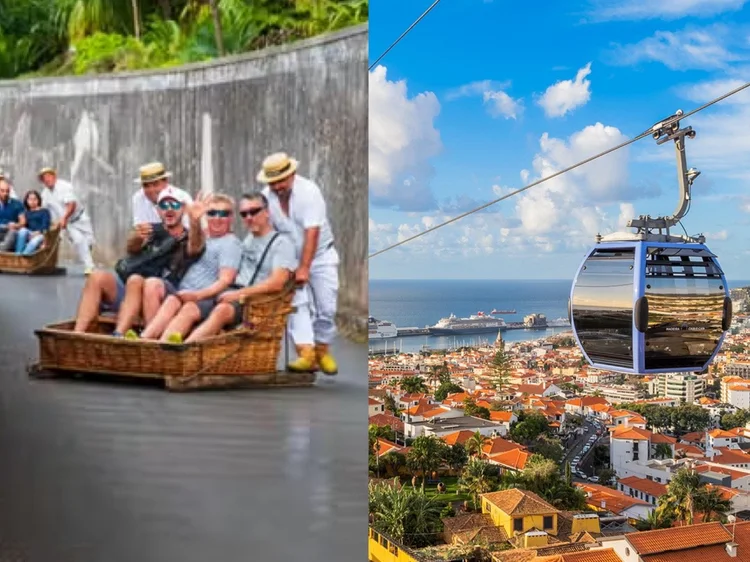
The cable car and the toboggan
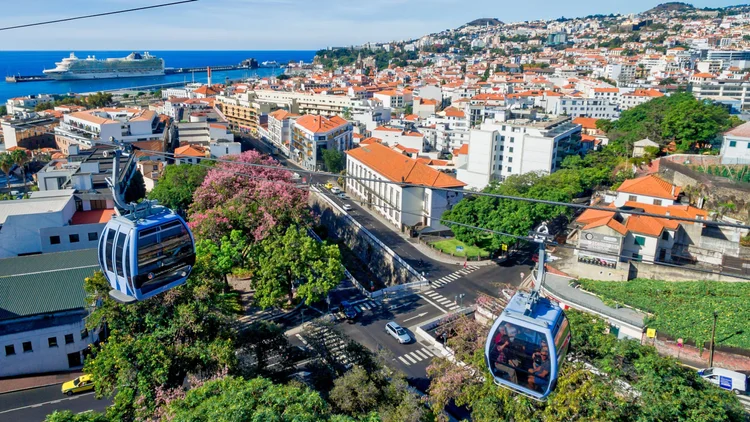
Up over the rooftops to Monte for the tropical garden and the church, then back down two kilometres of public road in a wicker basket steered by two men in straw hats. It has been running since the 1850s and it is not a theme park ride.
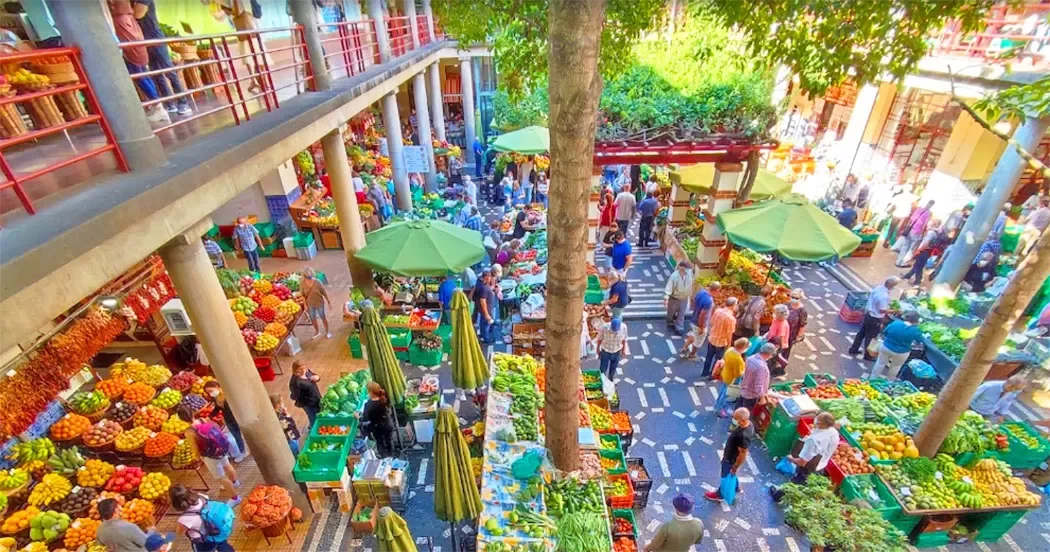
Mercado dos Lavradores
Funchal's covered market, built in 1940, still the best place on the island for tropical fruit, fish, Madeira wine and poncha. Go on a weekday and go after two, when the cruise crowd has gone and the fish hall is still working.
Whales and dolphins
These are some of the richest cetacean waters in the North Atlantic. Bottlenose and common dolphins are resident and seen year round, and sperm whales are a regular rather than a lucky sighting. Half day boats go from the marina.
Drive the west and the north
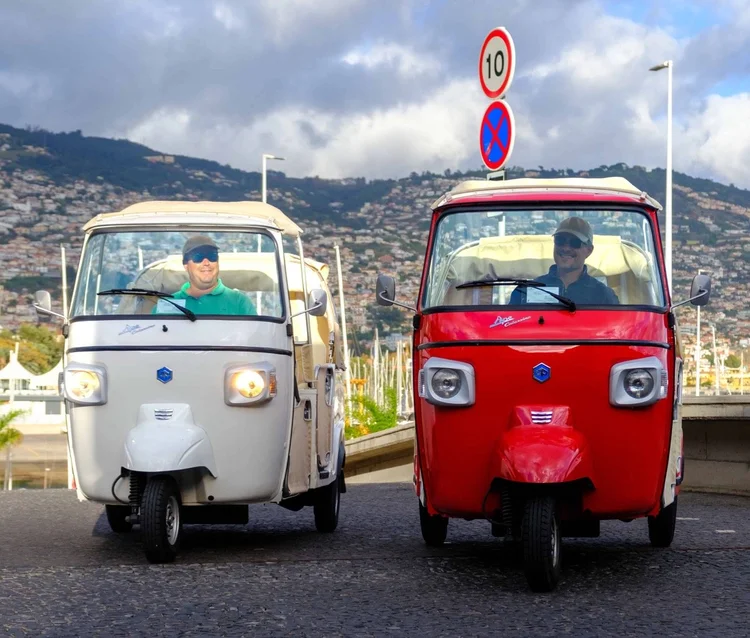
Cabo Girão's glass platform 580 metres above the sea, the lava pools at Porto Moniz, the thatched houses at Santana and the plateau road across Paúl da Serra. One long day gets you most of it and it is the day people photograph most.

Hiking, and the Booking You Have to Do Before You Fly
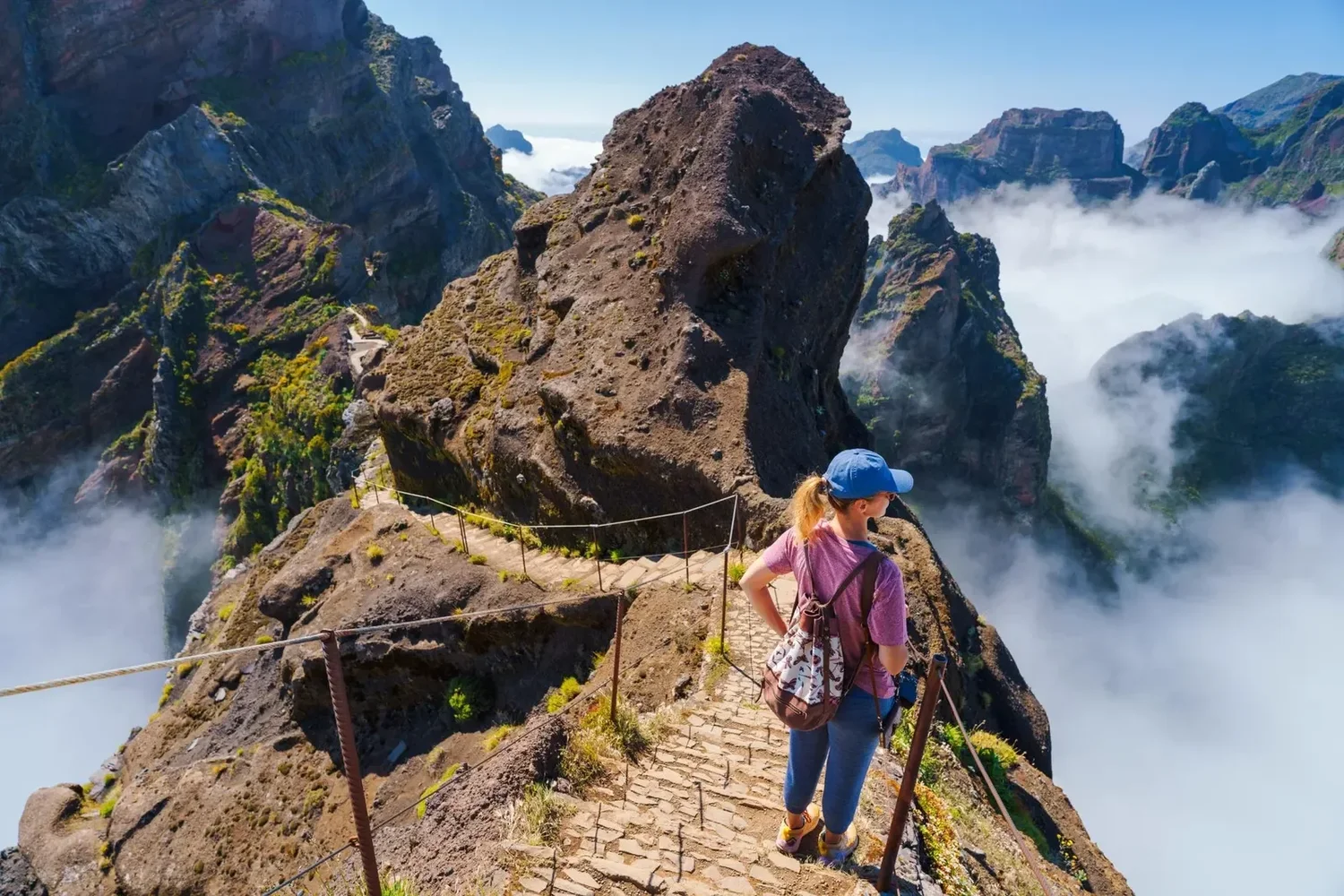
This is the single thing most likely to catch out somebody who last visited a few years ago. Since January 2026, every classified PR trail on Madeira has to be booked in advance through the regional SIMplifica portal. It costs 4.50 euros a person on most routes and 10.50 on PR1, the Pico do Arieiro to Pico Ruivo ridge, and it is tied to a date.
There is no on the day desk at a trailhead. In summer the popular slots go two to three weeks ahead and PR1 goes further out than that. Book it when your dates are confirmed and treat it like a flight rather than like a ticket you pick up on the morning.
The step by step, including what you need to have with you on the day, is in the SIMplifica booking guide, and the six walks worth building a day around are in the best hikes and levada walks.
What You Will Eat and Drink
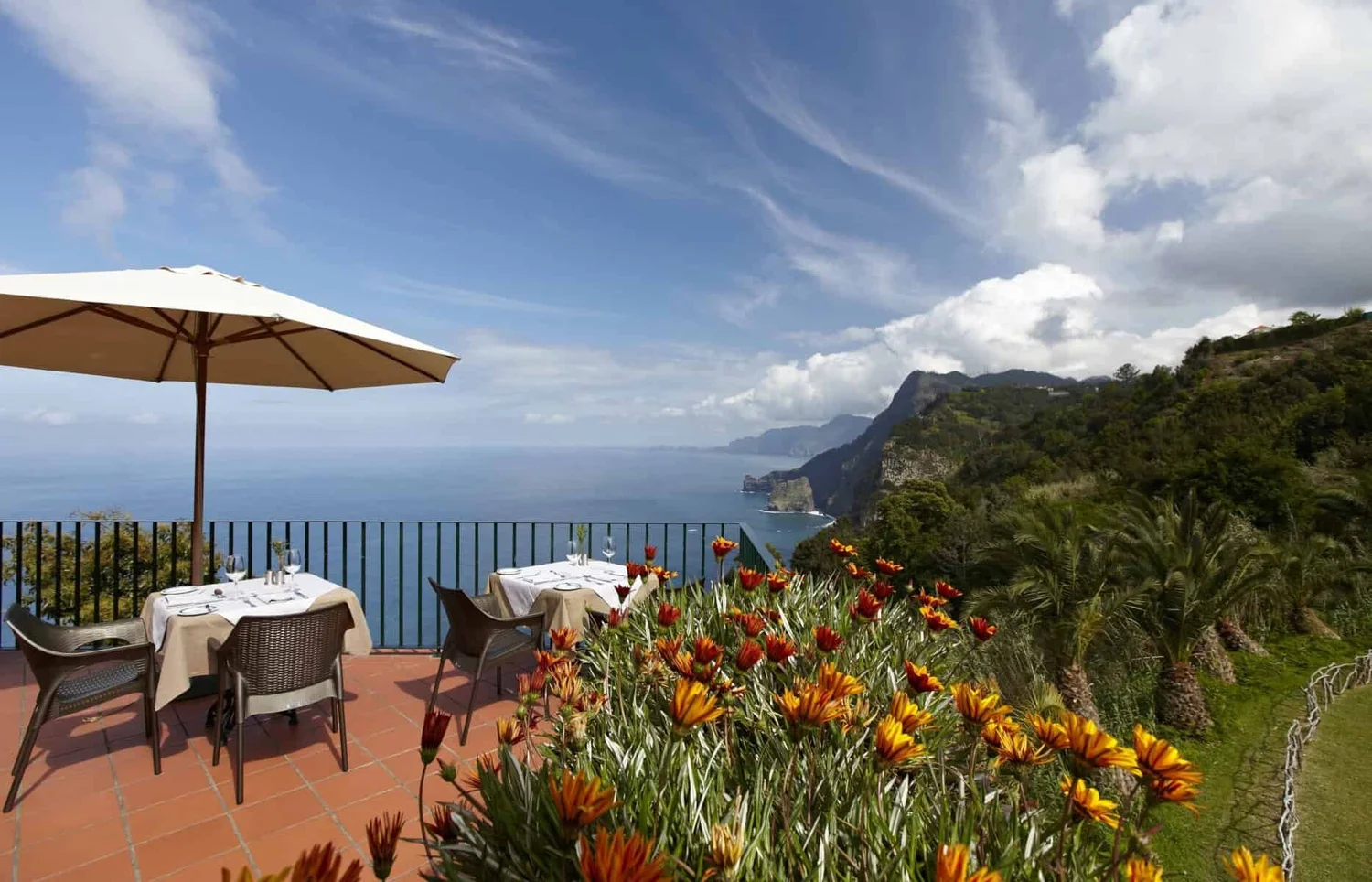
Madeiran cooking is island food: not much of anything, cooked simply, and mostly grilled. Five things account for the local canon and you will meet all five in the first two days. The full version, with where to eat each of them, is in traditional Madeiran food.
Espetada
Beef on a bay laurel stick, grilled over wood, served hanging from a hook above the table so the juices run down onto the bread. Ordered by the kilo and shared.
Bolo do caco
A flat round bread made with sweet potato and cooked on a hot basalt stone, split and filled with garlic butter. It arrives before everything and it is the reason nobody finishes their main course.
Lapas and black scabbardfish
Limpets grilled in the shell with butter, garlic and lemon, and espada, the deep water fish with a face like a nightmare, usually served with fried banana. Both are better than that description makes them sound.
Poncha
Sugar cane spirit, honey and lemon, mixed with a wooden caralhinho. It was made for fishermen coming off the water and it is stronger than it tastes, which is a warning rather than a recommendation.
Madeira wine
One of the great fortified wines, heated and oxidised on purpose in a process invented by accident on long sea voyages, which is why an open bottle keeps for months. Sercial dry through to Malmsey sweet, and the Wine Festival runs from late August into September.
Roughly What a Week Costs
Madeira sits in the middle of western Europe on price. It is cheaper than the Algarve or mainland Spain in peak season, roughly level with the Canaries, and noticeably cheaper than anywhere in Portugal at the same latitude would suggest. Eating out is the thing that surprises people: a full dinner with wine in a local restaurant is still often under 25 euros a head.
The costs that move most are accommodation and the car, and both are seasonal rather than fixed. A hire car runs from about 25 euros a day in February to double that in August. Fuel is dear. Self catering makes a large difference over a week, particularly for a family, which is most of the reason our guests book a whole home rather than rooms.
The rest is small. Buses are a euro or two, the cable car and the toboggan are the two priciest attractions and both are worth it once, the levada permits are 4.50 euros, and almost every viewpoint, path and sea pool on the island is free.
Five Things Worth Knowing in Advance
None of these are secrets and all five come up in the first message we get from most guests.
Altitude changes everything
Funchal can be 25 degrees and cloudless while Pico do Arieiro at 1,818 metres is 8 degrees in cloud and wind, at the same hour on the same day. Pack layers and a waterproof in every month of the year, including August.
Parking is the detail that ruins a booking
If you are hiring a car, take somewhere with a dedicated space. Old Town parking is genuinely scarce, the public garages fill, and circling for forty minutes after a long drive is a bad way to start a week. This is not a minor consideration here.
Do not trust the satnav on time
Every mapping app underestimates Madeira, sometimes by half. What looks like 40 minutes over the mountain is an hour with the gradients, the switchbacks and the tractor you will get behind. Add a third to everything and you will be roughly right.
The north coast is a different country
Drive over to São Vicente or Santana at least once. It is greener, wilder, mistier and far less visited than the south, and when the south is grey it is frequently the half of the island worth being on. Give it a whole day rather than an afternoon.
Book the trails and the car, not the restaurants
The two things that actually run out here are hiking permits and hire cars, and both need booking weeks ahead in summer. Restaurants, with a handful of exceptions, will find you a table if you turn up at eight.
Two Plans You Can Take Straight Off the Shelf
Both are built around a Funchal base with a west coast leg, both assume a car from about day three, and both put the hiking on the days you can move if the mountain is in cloud. Take whichever matches the nights you booked and change the days that do not suit you.
Planning a Trip to Madeira, Answered
Is Madeira worth visiting?
Yes, provided you want scenery, walking and food rather than a beach holiday. The landscape is genuinely dramatic, the weather is more reliable than anywhere else in Europe at the same time of year, the island is small enough to feel manageable in a week, and the food is excellent and cheap. It is a poor choice if what you want is sand.
How many days do you need in Madeira?
Five to seven for a first trip. Three works as a city break with one big day out. Ten lets you take the north and the far west properly and put a couple of nights on the west coast. Beyond about twelve days most people either start repeating themselves or take the ferry to Porto Santo.
Is Madeira expensive?
Mid range for western Europe, and cheaper than most people expect once they arrive. It undercuts the Algarve and mainland Spain in peak season and is roughly level with the Canaries. Eating out is the bargain: a full dinner with wine in a local restaurant is often under 25 euros a head. Self catering cuts a week's cost considerably.
Is Madeira safe?
Yes, and it is one of the safest places in Europe by crime rate. The real risks here are terrain rather than people: levada paths can be narrow and exposed with unprotected drops, the mountain weather turns quickly, and the roads are steep and often single track. Every serious incident we hear about involves one of those three.
Do you need a car in Madeira?
Not for Funchal, which works entirely on foot, and yes for almost everything else. The bus network is comprehensive but built around residents, so it rarely puts you at a trailhead in the morning. A common middle path is to stay in Funchal and hire a car for two or three days of a week rather than the whole stay.
Is Madeira part of Spain or the Canary Islands?
Neither. Madeira is an autonomous region of Portugal, the language is Portuguese and the currency is the euro. The Canaries are Spanish and sit about 450 kilometres to the south east, and the two archipelagos are geologically and culturally distinct despite being lumped together constantly.
Where We Would Put You
We host nine homes across the two areas this guide keeps coming back to. Six are in Funchal, spread between the Old Town, Rua da Carreira, Avenida do Infante, the Lido and São Martinho, which covers walkability, swimming and long stays. Three are in Paúl do Mar on the west coast, including a five bedroom seafront villa that sleeps ten. Every one is booked direct with the host who looks after it, there is no booking fee, and if you are not sure which end of the island you want, tell us what the trip is for and we will say so honestly.
The four guides this one hands off to
 Areas
Areas
Best Places to Stay in Madeira
The one to read next: every area compared as a base, and who each suits.
Read guide Plan
Plan
Best Time to Visit Madeira
All twelve months on temperature, sea, rain and crowds, with what we would book.
Read guide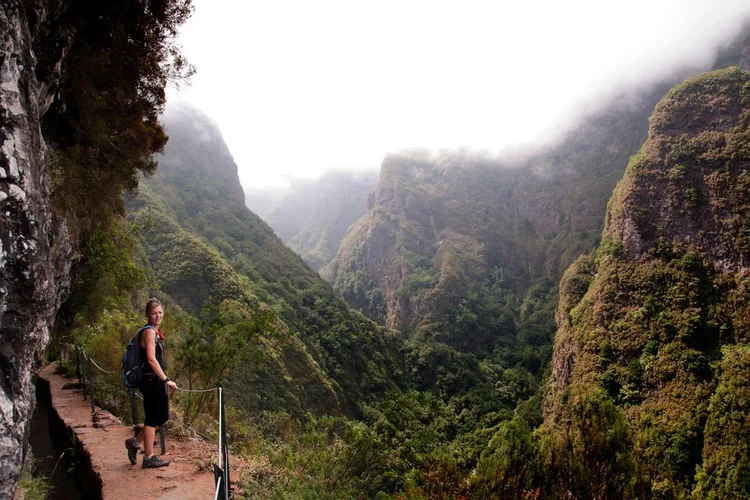 Hikes
Hikes
Best Hikes and Levada Walks in Madeira
The six walks worth a whole day, with distances, times, fees and what to pack.
Read guide Food
Food
Traditional Madeiran Food
Espetada, bolo do caco, lapas, poncha and the wine, and where to eat each one.
Read guide