Why Stay in Paúl do Mar, The West Coast Escape
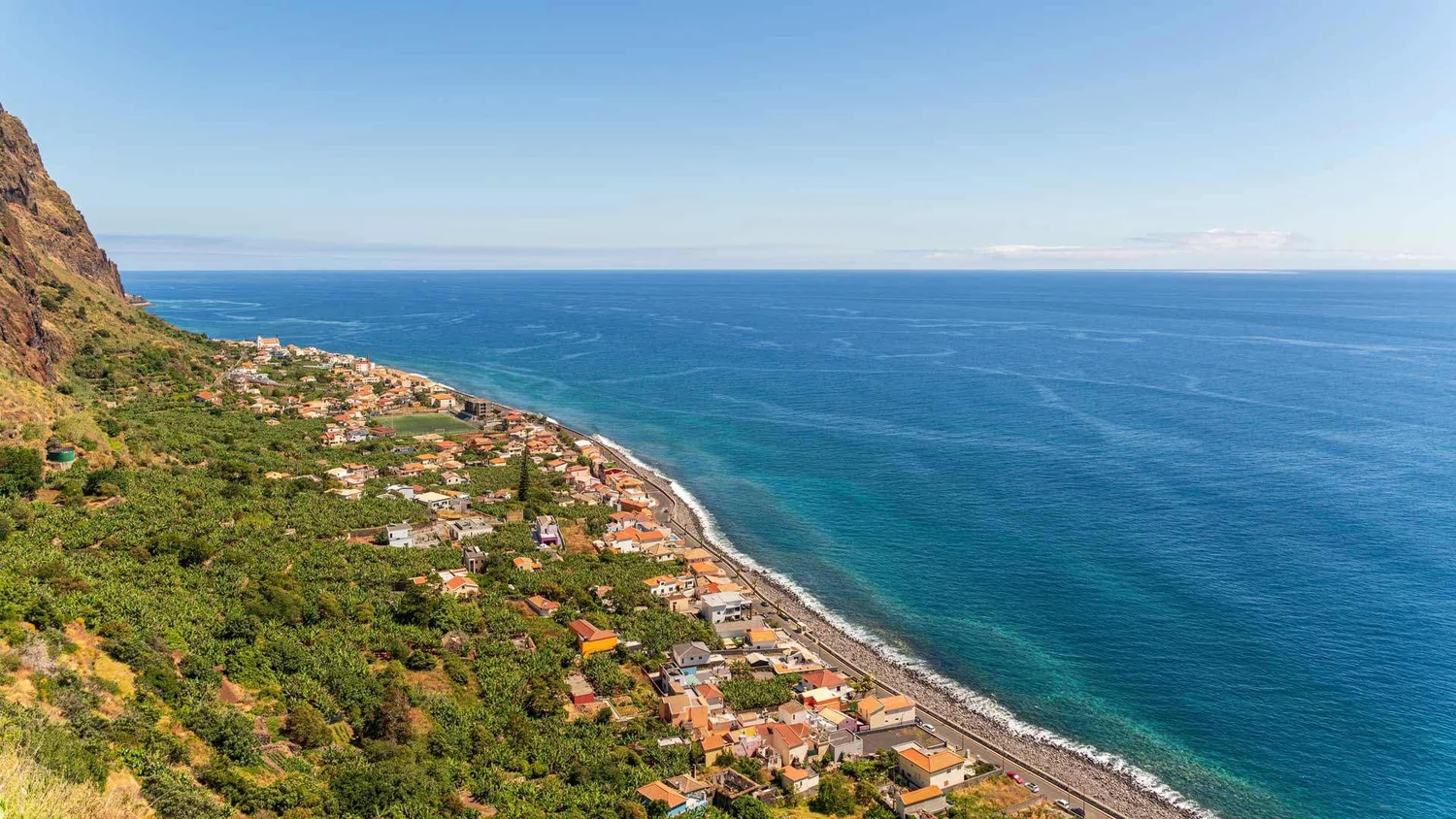
Paúl do Mar is the village most guidebooks reach in paragraph six, if they reach it at all, and that is most of the reason to go. A few hundred people live on a shelf of land between 300 metre cliffs and the open Atlantic, reached through a tunnel in the rock from Prazeres, with one seafront road, a black pebble beach, one of the island's most consistent reef breaks and no resort strip of any kind. This guide is what it is actually like to be based here, what a car reaches from the village in a morning, and who should book somewhere else instead.
Yes, if you want the slower, west facing version of Madeira
- Best for. Second and third trips to the island, couples, surfers, walkers, and groups who want one whole house rather than three rooms.
- Not for. A first trip built around a list of sights, anybody travelling without a car, or a family set on a long sandy beach.
- From Funchal. 45 to 60 minutes by car, west on the Via Rápida and then south through Prazeres.
- The village. A few hundred residents, one seafront road, a small supermarket, a pharmacy and a handful of cafés.
- The sea. Black pebble, swimmable in calm summer conditions, and a serious reef break from autumn onward.
- The walk. The PR19 Caminho Real drops around 700 metres from Prazeres and finishes on the seafront.
- Where to stay. Three Olá Madeira cottages in the village, sleeping two, two and ten, all with parking.
- The catch. No car means no village, and the nearest full supermarket is 15 minutes away in Calheta.
If the west coast is already decided and you are choosing between the three cottages, that comparison is its own guide: where to stay in Paúl do Mar.
Where Paúl do Mar Is, and What the Drive Involves
The village sits on the south west coast, roughly 45 to 60 minutes from Funchal. You run west on the Via Rápida, come off toward Calheta, then drop south through Prazeres and into the village through a tunnel bored down the inside of the cliff. The road is good the whole way and the tunnel is the part people remember: you go in on the plateau, come out at sea level with rock on both sides and the Atlantic straight ahead, and the arrival does a lot of the work before you have parked.
Calheta, the nearest town of any size, is about 15 minutes north and is where the larger supermarket, the sandy beach and the petrol are. Jardim do Mar, the other west coast surf village, is three minutes along the coast road. The airport is at the far end of the island, so budget the same hour for the transfer in as you would for a drive to Funchal, and do the first shop on the way rather than after you arrive.
A car is not a convenience here, it is the condition of staying. These are the two rental and taxi operators our guests use, and the guided walking company that solves a one way trail day.



What the Village Is Actually Like
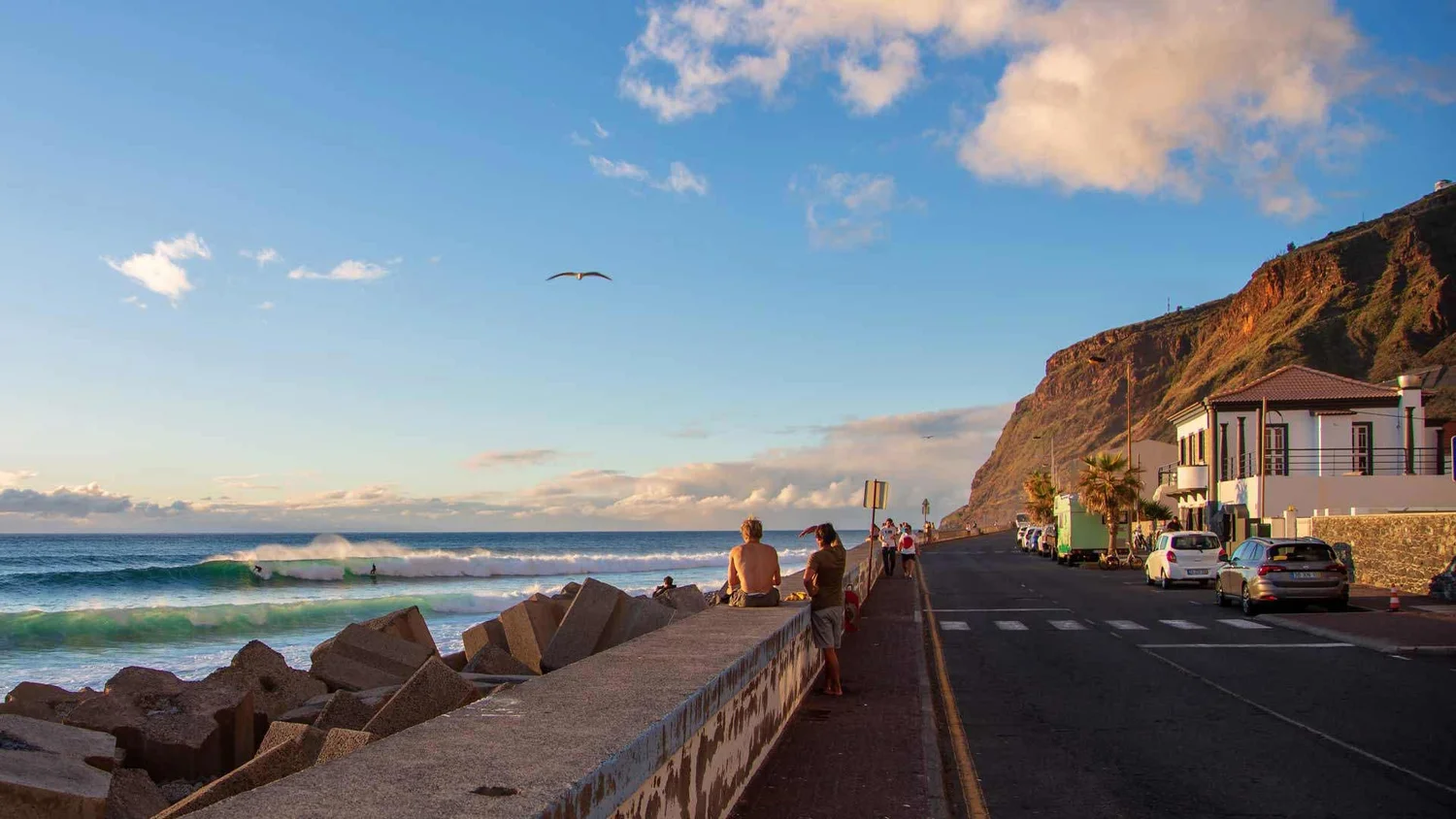
Small, quiet and lived in. The main thoroughfare is the seafront road, the Avenida dos Pescadores Paulenses, and almost everything is on it: a small supermarket, a pharmacy, a few cafés and Bar de Pedra, built into the rocks at the water's edge, which serves the best poncha in the village and is where the village actually is in the evening. There is no promenade of restaurants and no shop selling embroidered tablecloths. What there is instead is a working village that happens to have three holiday cottages in it.
The cliffs are the thing you will keep looking at. They rise more or less straight off the back of the houses, dark and sheer, with a band of green where the moisture clings to the rock, and in the late afternoon the light comes along them rather than down on them. Painters and photographers have been coming here for decades for that hour, which is worth knowing before you plan an evening that takes you somewhere else.
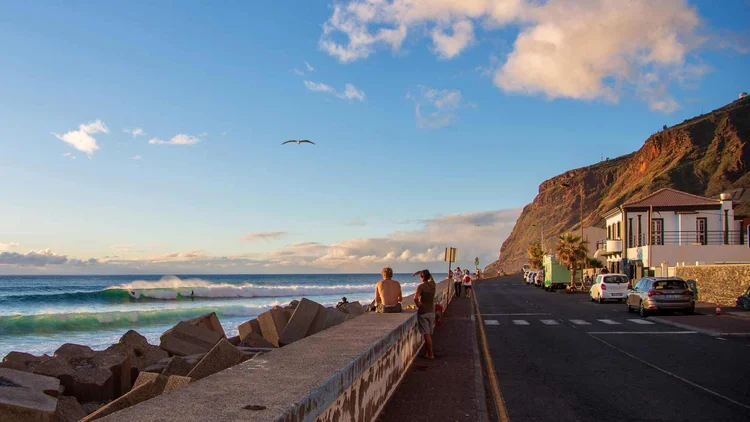
Walk the sea wall at sunset on your first evening rather than driving anywhere. The village faces west into open ocean with nothing between it and the horizon, which is a thing very few places on Madeira can say, and it costs nothing and takes twenty minutes.
The shop run
The village shop covers bread, milk, wine and the things you forgot. For a proper shop, Calheta is 15 minutes north and has a full supermarket, and the sensible move is to stop there on the drive in rather than arriving empty handed at eight in the evening. Fish is better bought in the village than in a supermarket, and if you are cooking for a group that is the one thing worth asking about locally.
Cash is worth carrying. Cards work in most places, but a small village on a Sunday is not the place to discover that the one machine is out of order, and the smaller cafés prefer coins for a coffee and a pastel de nata anyway.
Who Should Base Themselves Here, and Who Should Not
This is a second or third trip choice. Somebody arriving in Madeira for the first time with the cable car, the market, the toboggan, Cabo Girão and a whale watching trip on their list will spend two hours a day in the car getting to that list and back, and will end the week having seen the inside of a lot of tunnels. Funchal is the right base for that trip and there is no shame in it. Paúl do Mar is what you choose once you already know what the island is and want to stop moving through it.
It suits couples, because the two stone cottages are built for two and the village is quiet after nine. It suits surfers, for reasons the reef takes care of. It suits walkers, because the PR19 finishes at the bottom of the road and Rabaçal and the Paúl da Serra plateau are inside an hour. And it suits a group of eight or ten who want one house with a garden and a table everybody fits around, which is a genuinely hard thing to find on this island and the reason Casa Carneirinho gets booked a year out.
The honest limitation is the beach. It is black pebble, like most of Madeira, and it is beautiful, but it is not sand and a five year old will tell you so within the hour. Calheta, 15 minutes north, has the imported sand beach and a sheltered swim, so the fix is a short drive rather than a different village. If sand is the whole point of the holiday, though, book the drive out of your plans and stay near it.
The PR19 Caminho Real Finishes on the Seafront
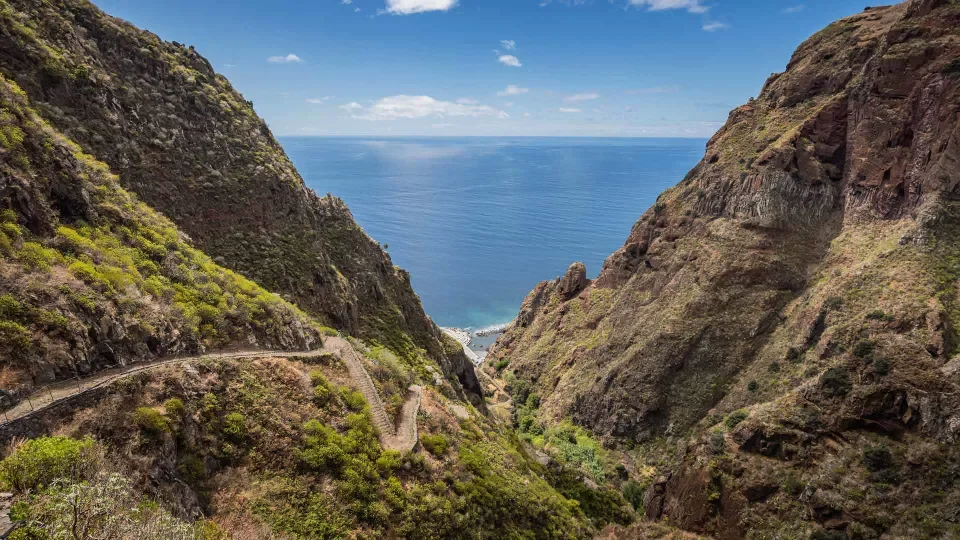
Before the tunnels and the coast road, the Caminho Real was how this village reached the rest of the island. It is a cobbled path, still laid the way it was built, and it drops around 700 metres from Prazeres at roughly 900 metres of altitude through terraced smallholdings and banana plantations to the sea. 5.5 km one way, an hour and a half to two hours going down, well signed and well maintained, and the village sits below you for most of the descent so you can watch your own front door getting closer.
Walk it downhill. The same path climbed is a hard ninety minutes with the view behind you the whole way, and there is no reason to do that to yourself. The cobbles are uneven and polished in places, so poles help and grip helps more. Being based in the village is what makes the logistics trivial: a taxi up to Prazeres after breakfast, the path down, and the walk ends where you are sleeping instead of an hour's drive from it.
Since January 2026 every classified PR trail, PR19 included, has to be booked in advance through the SIMplifica portal, at 4.50 euros a person. There is no paying at the top, and rangers check the QR code. The walkthrough is in our SIMplifica booking guide, and where PR19 sits among the island's walks is in the best hikes guide.
The Surf, and Swimming When There Is None
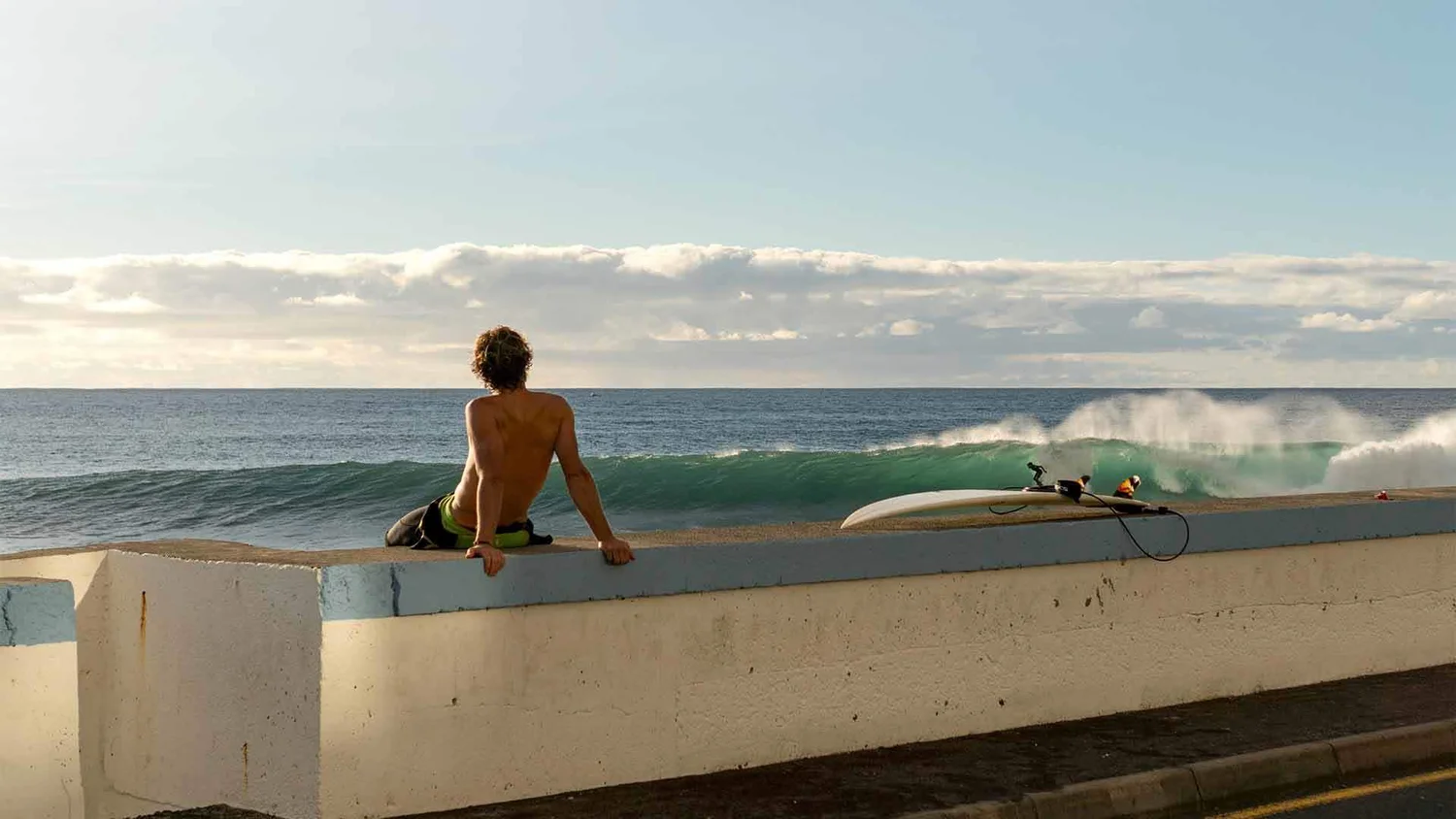
Paúl do Mar has one of the most consistent reef breaks in Madeira, working best in autumn and winter on west and south west swells. It is not a beginner wave and nobody should treat it as one: it breaks over reef, it is powerful, and the people out there on a big day have usually flown in for it. Jardim do Mar, three minutes along the coast, has its own break and its own reputation, so a week here in the right season gives you two.
You do not have to surf for the surf to be worth it. On a big swell the seafront is the best free spectacle on the west coast, and a coffee on the wall while the sets come through is a legitimate way to spend a morning. In calm summer conditions the swimming is genuinely good, off pebble into clear cold water, and the difference between the two versions of this village is entirely a matter of which month you booked.
What a Morning in the Car Reaches
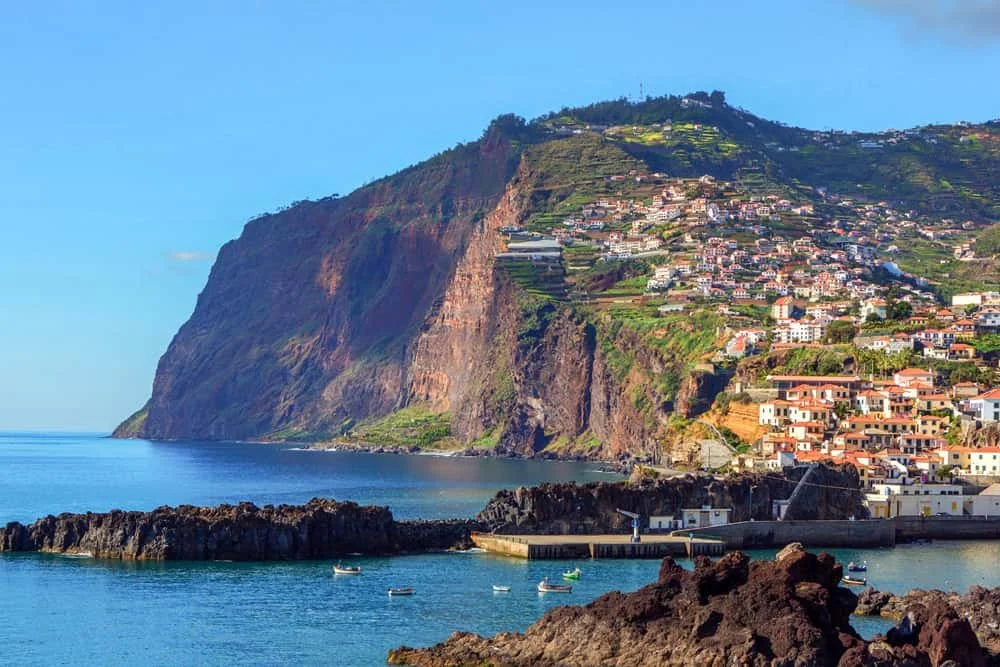
Going east along the coast, the run is Jardim do Mar, then Calheta for the sand and the MUDAS art museum above it, then Ponta do Sol, which has a good market on Saturdays and a square that catches the last of the sun, then Ribeira Brava and the tunnels back to Funchal. That is a whole day if you stop properly and about ninety minutes if you do not, which makes an afternoon in Funchal from here perfectly reasonable rather than the expedition people assume.
Going up instead of along is the better trip. From Prazeres the road climbs onto Paúl da Serra, the high plateau, which is bare, windswept, usually above or inside the cloud and unlike anywhere else on the island. From up there you can drop into Rabaçal for the Levada das 25 Fontes, carry on north to Porto Moniz and the lava pools, and come back down the west side with the whole coast on your left. Book PR6 before you set off if the levada is part of the plan.
How a west coast leg fits into a whole trip is worked out in our 5 day itinerary and the 7 day version.
When to Come to the West Coast
The village works all year, but it is two different places depending on the swell. Summer is the calm, swimmable, long evening version. Autumn and winter are the loud version, with the Atlantic doing the entertaining and the surfers arriving for it. Neither is better and the choice is only about which holiday you are booking.
The west coast also has its own weather, which is a useful thing to know. It is drier and brighter than the north, and it often stays clear when the interior has clouded in, so a write-off morning up the mountain can still be a good afternoon down here.
| Season | The sea | The village | Best for |
|---|---|---|---|
| Spring · April to May | Calm between swells, cool | Wildflowers on the cliffs | Walking and photographs |
| Summer · June to September | Calmest and warmest | The busiest it gets, still quiet | Swimming and long evenings |
| Autumn · October to November | The swell returns, sea still warm | Quiet again | Surfing and surf watching |
| Winter · December to March | Big Atlantic swell | Very quiet | Serious surf and weather |
What the table cannot say is that April and May are probably the best weeks of the year here, and they are the ones nobody books. Full monthly detail is in our month by month weather guide.
Paúl do Mar: Your Questions
Is Paúl do Mar worth staying in?
Yes, if you have seen Funchal already or you want a quieter base. The scenery is the draw, the village is genuinely lived in rather than built for visitors, and the absence of tourist infrastructure is the point rather than a shortcoming. It is the wrong choice for a first trip built around a list of sights.
Do you need a car to stay in Paúl do Mar?
Yes. Bus services to the village are limited and are not built around visitors, so a car is what gets you there and what makes the days work once you are based here. All three of our cottages in the village include parking.
How far is Paúl do Mar from Funchal?
Around 45 to 60 minutes by car. You run west on the Via Rápida, come off toward Calheta, then drop south through Prazeres and into the village through a tunnel in the cliff. The road is good the whole way.
Is Paúl do Mar good for surfing?
Yes, for surfers who already know what they are doing. The reef break works best in autumn and winter on west and south west swells, and it is an intermediate to advanced wave rather than a place to learn. Jardim do Mar, three minutes along the coast, has its own break.
What is there to do in Paúl do Mar?
The PR19 Caminho Real down from Prazeres, the surf, and west coast drives that reach Calheta, Ponta do Sol, the Paúl da Serra plateau and Porto Moniz. In the village itself the answer is smaller, and it is the reason people come back: the seafront, the water, dinner, and the sunset from the sea wall.
Where to Stay in the Village
We have three homes in Paúl do Mar and they cover the two ends of the village's appeal. Casa Carneirinho is a 1930s seafront villa on three levels with five bedrooms, a garden to eat in, an art room and the sea from every floor, and it sleeps ten, which makes it the best whole house on this coast. Palheiro Mar and Palheiro Jardim are restored stone cottages next door to each other, ninety years old, original walls and timber floors, one facing the water and one the mountain, sleeping two each and taking four between them. All three are booked direct with the local hosts, all three have parking, and there is no booking fee.
Three guides that go with this one
 Areas
Areas
Where to Stay in Paúl do Mar
The three cottages side by side: sizes, layouts and who each one actually suits.
Read guide Areas
Areas
Best Places to Stay in Madeira
How the west coast compares with Funchal and the rest of the island as a base.
Read guide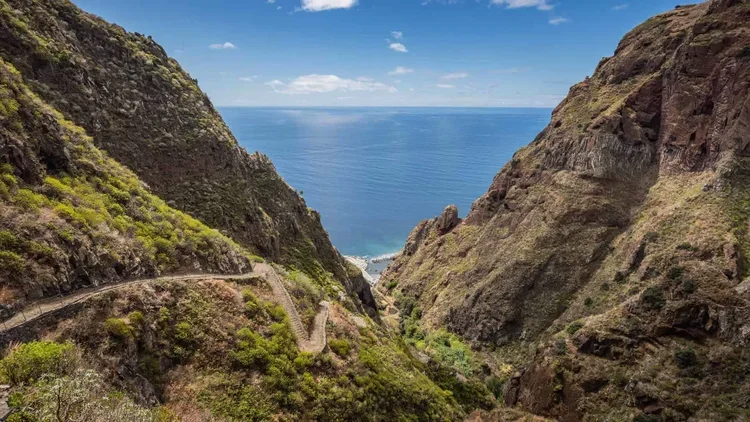 Experiences
Best Hikes and Levada Walks in Madeira
Where the PR19 ranks, and the other five walks worth a whole day.
Read guide