Traditional Madeiran Food: What to Eat & Where
Madeiran cooking is island food, which means it is the food of a place that had fish, sugar cane, sweet potatoes, a lot of wood to burn and not much else, and it is far better than that description suggests. Seven things make up the local canon, and you can eat all seven inside three days without trying particularly hard. This is what each one actually is, how it is meant to be served, what it tastes like and where to have your first go at it.
What to eat in Madeira, and in what order
- Bolo do caco. Sweet potato flatbread on a hot stone, split and filled with garlic butter. Have it first and often.
- Espetada. Beef on a bay laurel stick over wood coals, hung above the table. Ordered by the kilo, shared.
- Lapas. Limpets grilled in the shell with garlic butter and lemon. The best starter on the island.
- Espada com banana. Black scabbardfish with fried banana. Sounds wrong, is not.
- Milho frito. Cubes of set cornmeal fried crisp. The side dish nobody warns you about.
- Poncha. Cane spirit, honey and lemon, stirred with a wooden caralhinho. Stronger than it tastes.
- Madeira wine. Cooked and oxidised on purpose. Sercial dry through to Malmsey sweet.
Once you know what to order, the question is where, and that is where to eat in Funchal.
Why the Food Here Tastes the Way It Does
Madeira was uninhabited when the Portuguese landed in the 1420s, so there is no indigenous cuisine underneath this one. Everything on the table arrived by boat or was grown on a terrace cut into a slope by hand, and the result is a kitchen built on four things: what the sea gave up, what would grow on a near vertical hillside, sugar cane, and fire.
That is why so much of it is grilled over wood rather than cooked in a pan, why the starches are sweet potato and maize rather than wheat, and why the fish is either the deep water species that live off these cliffs or whatever the boats brought into Câmara de Lobos that morning. The sugar cane is the thread through the drinks: the island's first fortune was sugar, and poncha and the fortified wine are both downstream of it.
It is also, by modern standards, a fairly plain cuisine, and that is the right expectation to arrive with. Nothing here is elaborate. What it is instead is very good ingredients cooked over fire by people who have been doing it the same way for a long time, and the gap between a mediocre version and a great one is almost entirely about the fire and the freshness rather than about technique.
Bolo do Caco, the Bread That Is Not a Cake
The name means cake of the shard, which refers to the flat basalt stone, the caco, that it is cooked on rather than to anything cake like about it. It is a round, flat, soft bread made with sweet potato, which gives it a faint sweetness and a texture closer to a muffin than to a baguette, and it is cooked directly on the hot stone rather than in an oven.
It arrives split and filled with garlic butter, hot, usually before you have ordered anything. This is the single most dangerous item in Madeiran hospitality, because it is excellent, it keeps coming, and a table of four will happily fill up on it and then be confronted with a kilo of beef. Pace yourself, or do not, but know that is the trap.
You will also meet it as a sandwich. A prego no bolo do caco, a thin garlicky steak inside one, is the standard cheap lunch and the standard thing to eat at a festival, and it is worth having at least once from somewhere with a grill going outside.
Buy it from a bakery rather than only meeting it in restaurants. Every one of our homes has a kitchen, and warm bolo do caco with butter for breakfast, from a bakery two streets away, is a better start to a walking day than anything a hotel puts out.
Espetada, and Why It Hangs Above the Table
Beef, cut into large cubes, rubbed with sea salt and garlic, threaded onto a stick of bay laurel and grilled over wood coals. That is the whole recipe. The laurel is not decoration: it is a green stick cut from the tree, it does not burn through, and it perfumes the meat from the inside as it cooks, which is a thing a metal skewer cannot do.
It comes to the table hanging from a hook on a stand, with the bread underneath so the juices and the garlic butter run down into it, and you pull the cubes off the stick yourself. It is ordered by the kilo rather than by the portion and it is meant to be shared, so two people ordering an espetada each is a misunderstanding that will defeat you both.
The version you should look for is the laurel stick one over wood. A great many restaurants serve it on a metal skewer, which is perfectly nice and is not the same dish, and a place proud of doing it properly will say so. It usually arrives with milho frito and a salad, and the correct drink with it is red wine rather than anything local.
Lapas, Espada and What Comes Out of This Water
The Atlantic here is two kilometres deep within sight of the shore, which is why the island's signature fish is one almost nobody else eats and why the shellfish come off the rocks rather than out of a farm.
Lapas
Limpets, prised off the rocks and grilled in their own shells with butter, garlic and a wedge of lemon, arriving still spitting on a metal dish. They taste like the cleanest possible version of the sea, somewhere between a clam and a scallop, and they are the best starter on the island. Squeeze the lemon over the whole dish the moment it lands.
Espada com banana
Black scabbardfish, a long ribbon of a creature with enormous eyes and a mouthful of teeth that lives at 800 metres and comes up looking like something from a nightmare. It is caught on long lines off Câmara de Lobos overnight, and it eats like nothing it looks like: white, delicate, almost sweet, with no bones to speak of. It is fried and served with fried banana and often passion fruit sauce, which sounds like a dare and works completely.
Atum and whatever came in
Tuna is landed here in quantity and a Madeiran tuna steak, thick, barely cooked through and served with milho frito, is as good as tuna gets anywhere. The broader rule in any fish restaurant on this island is to ignore the menu and ask what came in that morning, because the answer changes and the menu does not.
Milho frito
Not from the sea, but this is where you will meet it. Cornmeal cooked with kale and garlic into a firm porridge, set solid, cut into cubes and deep fried so it is crisp outside and molten inside. It arrives beside almost everything and it is the side dish visitors end up talking about most.

Poncha, and the Wooden Stick It Is Made With

Aguardente de cana, the spirit distilled from sugar cane, with honey and lemon juice, mixed in the glass with a ridged wooden pestle called a caralhinho. That is traditional poncha, sometimes called poncha à pescador, the fisherman's poncha, and it was drunk by men coming off the water at dawn in Câmara de Lobos as a combination of breakfast, medicine and reward.
It is stronger than it tastes by a considerable margin. The honey and the lemon hide the spirit almost completely, it goes down like a cordial, and the second one arrives before the first has arrived. This is the standard warning on every guide to Madeira and it is standard because it keeps being necessary.
The modern versions swap the lemon for orange, passion fruit or tangerine, and there is no purity test to pass here: they are pleasant and they are what most bars pour. If you want the original, ask for poncha regional or poncha tradicional and expect it to be sharper and less friendly. The place we send guests for it is Bar de Pedra in Paúl do Mar, which is built into the rocks at the water's edge, though the bars around the harbour at Câmara de Lobos have the stronger claim to having invented it.
Nikita is the other local drink and it confuses everybody. It is beer, white wine, ice cream and pineapple blended together, it is named after the Elton John song, and it is far nicer than that sentence allows. Have one in Câmara de Lobos where it comes from.
Madeira Wine, and the Accident That Made It
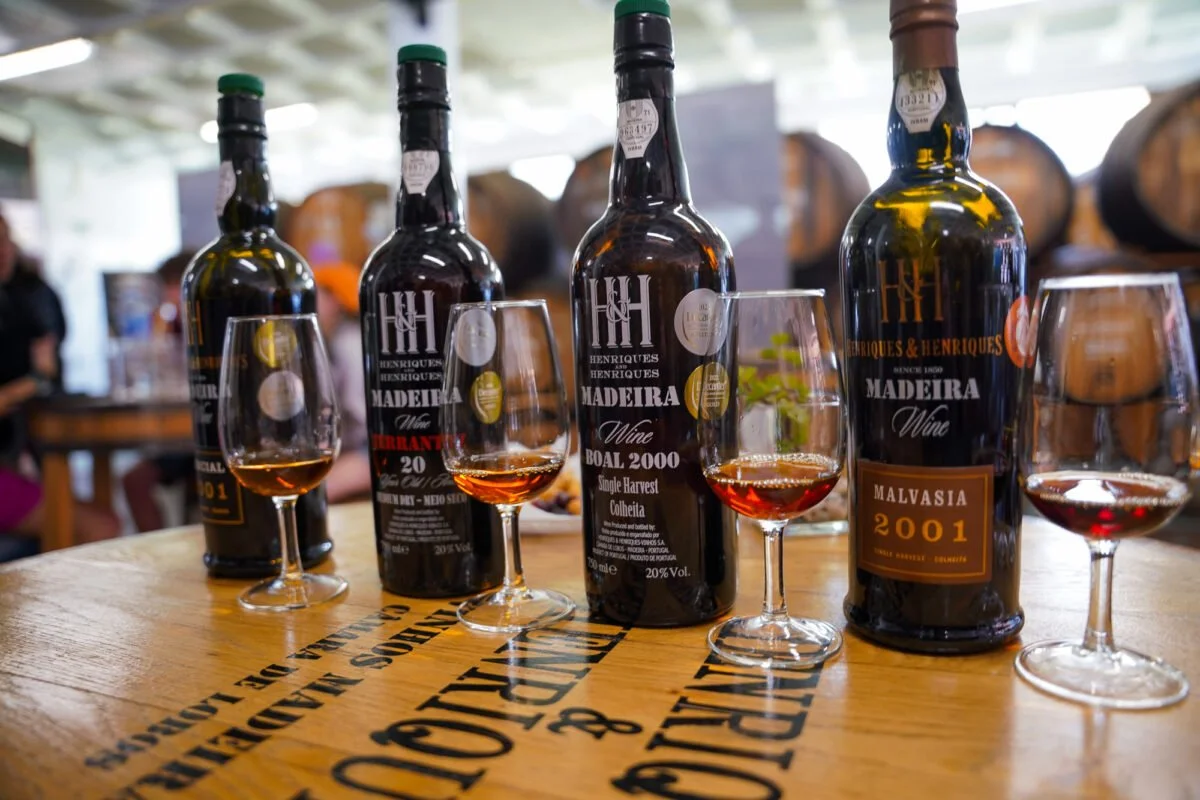
Madeira was the last stop before the Atlantic crossing, so ships took its wine on as ballast and cargo. The barrels then spent months in a hot hold crossing the tropics twice, and the wine that came back had been cooked and oxidised and was better than the wine that left. Rather than fix this, the island industrialised it, and modern Madeira is heated deliberately, either slowly in warm lofts or faster in heated tanks.
The consequence is the most robust wine in the world. Because it has already been oxidised on purpose, an open bottle does not spoil: it will sit on a shelf for months and be fine, which is exactly the opposite of every other wine you own. Bottles from the nineteenth century are still drinkable and are still opened.
Four grapes give it its range, and they run from dry to sweet in this order: Sercial, the driest and sharpest, then Verdelho, then Bual, then Malmsey, which is properly Malvasia and is rich and dark. Drink the first two cold before a meal and the second two after it. Tinta Negra is the workhorse grape behind most of the everyday bottles and is not a lesser thing, just a less specific one.
A lodge tasting in Funchal is an hour well spent and is the way to find out which of the four you actually like before you buy a bottle to take home. If you are here in late August or September, the Madeira Wine Festival puts the harvest and the tastings across the city and Câmara de Lobos.
The Fruit, and the Sweet Things
The subtropical climate and the terraces do things here that mainland Portugal cannot, and the market is where you see it. Custard apple, or anona, is the one to try: green, scaled, and tasting like a cross between a pear and a vanilla custard. Madeira bananas are short, dense and much more intensely flavoured than the supermarket kind. And there are several distinct passion fruits, including the banana passion fruit and the tomato passion fruit, which appear in everything from puddings to the sauce on your espada.
For the sweet end of a meal, bolo de mel is the island's own cake: dark, dense, spiced, made with sugar cane molasses rather than honey despite the name, traditionally made in November and eaten through Christmas, and traditionally broken by hand rather than cut. Queijadas, small sweet cheese tarts, are the everyday version and are in every bakery.
And the coffee is worth knowing about. A chinesa is a milky coffee in a glass, a garoto is a small one with milk, and a bica is an espresso. Ordering a chinesa in the morning rather than pointing at a picture of a cappuccino is a small thing that will make your week here slightly more pleasant.
Madeiran Food, Answered
What food is Madeira famous for?
Espetada, beef on a bay laurel stick grilled over wood coals and served hanging above the table. Bolo do caco, a sweet potato flatbread cooked on a hot basalt stone and filled with garlic butter. Espada com banana, the deep water black scabbardfish served with fried banana. And two drinks, poncha and Madeira wine, both of which come out of the island's sugar cane history.
What is bolo do caco?
A round flat bread made with sweet potato and cooked directly on a hot basalt stone, which is what the name refers to rather than anything cake like. It is soft, very faintly sweet, and it is served split and filled with garlic butter. It arrives before you order and it is also the bread in a prego no bolo do caco, the steak sandwich that is the island's standard cheap lunch.
What is poncha and how strong is it?
Sugar cane spirit, honey and lemon juice, mixed in the glass with a ridged wooden pestle called a caralhinho. It was made for fishermen coming off the water at dawn in Câmara de Lobos. It is considerably stronger than it tastes, because the honey and lemon hide the spirit almost entirely, and modern versions using orange or passion fruit are just as authentic to how it is drunk today.
What is espada com banana?
Black scabbardfish served with fried banana, and it is the island's signature dish. The fish lives at around 800 metres, is caught on long lines off Câmara de Lobos overnight, and looks genuinely alarming, with huge eyes and a mouth full of teeth. It eats nothing like it looks: white, delicate and faintly sweet, which is why the banana and often a passion fruit sauce work rather than clash.
Why does Madeira wine last so long once opened?
Because it has already been heated and oxidised on purpose during production, so there is very little left for air to do to it. The method began by accident, when barrels shipped as ballast crossed the tropics twice and came back better than they left. An open bottle keeps for months on a shelf, and nineteenth century bottles are still drinkable.
Is Madeiran food good for vegetarians?
It is workable rather than generous. The traditional canon is built on beef and fish, but bolo do caco, milho frito, the soups, the salads and the extraordinary fruit are all there, and Funchal has enough international restaurants that a week is straightforward. Outside the city the choice narrows quickly, which is worth knowing before you base yourself in a village.
Somewhere With a Kitchen and a Market Nearby
Half of eating well here happens at home, because the fish counter at Mercado dos Lavradores sells tuna at a price that would embarrass a supermarket at home and the fruit is grown on the terraces above the city. Carreira Solar and Carreira Vicente are a few minutes from the market on Rua da Carreira, which is also the best eating street in Funchal. Santa Catarina and the two Lido homes are further west with supermarkets closer than the market. Out in Paúl do Mar the three cottages are a two minute walk from the seafront and Bar de Pedra, with the caveat that the village shop is small and the full supermarket is fifteen minutes away in Calheta, so shop on the way in. Every one of the nine has a kitchen and a table worth eating at.
Three guides that go with this one
 Food
Food
Best Restaurants in Funchal
Now that you know what to order, this is where to go and order it.
Read guide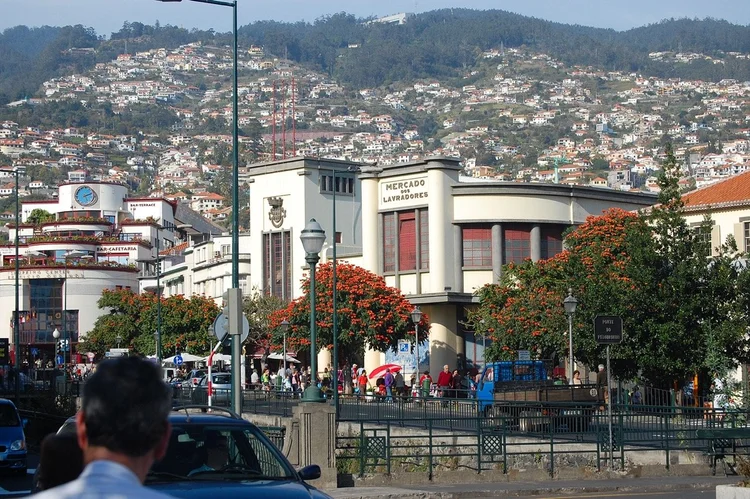 Experiences
Best Things to Do in Madeira
Where the market and the wine lodges rank against everything else here.
Read guide Plan
Plan
Best Time to Visit Madeira
When the harvest, the festivals and the food calendar actually happen.
Read guide