Best Restaurants in Funchal: Where to Eat in 2026
Funchal eats better than a city of 110,000 has any right to, and it also contains one street where you will be handed a laminated menu in four languages by somebody standing in the road. This guide is how to end up in the first version rather than the second: the three places we send guests to by name, how the city actually eats and at what hour, what to order, roughly what it costs, and which parts of town are worth walking to for dinner.
Where to eat in Funchal, in short
- For fish. Peixaria da Avenida, for whatever came in that morning rather than whatever is on the menu.
- For Madeiran classics. O Giro on Rua da Carreira, which is where a resident takes a visitor.
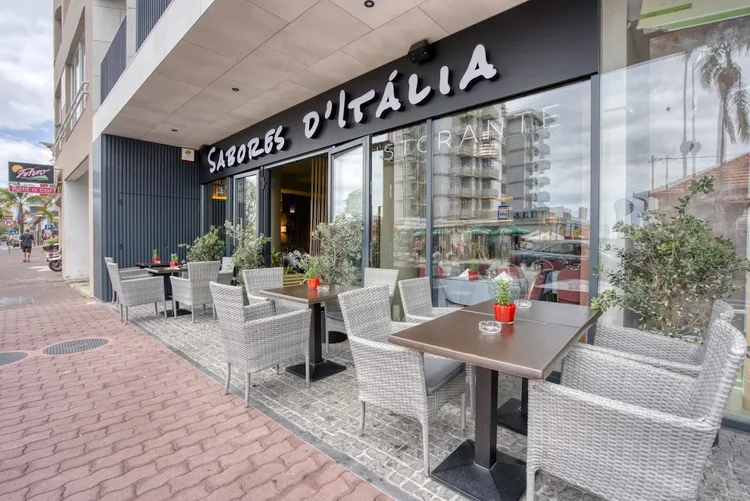
- In the Lido. Sabores D'Itália, for the night nobody wants another plate of espetada.
- For a drink first. Dash in the centre for cocktails, Böate for the terrace and a later night.
- What to order. Espetada, bolo do caco, lapas, black scabbardfish. In that order on a first trip.
- When to eat. Dinner from eight, and later on a Friday. Before seven you will be eating with tourists.
- What it costs. 20 to 25 euros a head for dinner with wine in a local restaurant.
- What to avoid. Anywhere with a person outside holding a menu, and anywhere with photographs of the food.
If you want to know what the dishes actually are before you order them, read traditional Madeiran food first, then come back here for where.
How Funchal Actually Eats
Lunch is the serious meal for a lot of people here and it runs from about half past twelve to three. A great many restaurants do a prato do dia at lunch, one dish, usually written on a board rather than printed, at a price that will surprise you. If you want to eat the way the island eats and spend the least money doing it, eat your main meal in the middle of the day at least twice.
Dinner starts late and starts later on a Friday and Saturday. A restaurant that is empty at seven will be full at nine, and the emptiness at seven is not a verdict on the food, it is a verdict on the hour. If you turn up at half past seven you will eat well and you will eat surrounded by other visitors. Turn up at half past eight and the room changes.
Prices are the part people find hardest to believe. A full dinner with a bottle of wine in an ordinary local restaurant lands around 20 to 25 euros a head, and a coffee is under two. The exceptions are the marina, the hotel zone and anywhere with a view of the harbour, where you are paying for the view, which is fine as long as you know that is the transaction.
Book on a Friday and Saturday and for anywhere small. The rest of the week, in most of the city, walking in at half past eight works. The exception is the fortnight around New Year, when everything needs booking and some of it needs booking in November.
Peixaria da Avenida
The test of a fish restaurant on an island is whether the menu changes, and here it does. What you should do is ignore the card entirely and ask what came in. On a good day that is tuna, which Madeira does as well as anywhere in the Atlantic, or black scabbardfish, the deep water espada that looks like something from a horror film and eats like butter, usually served with fried banana in a combination that sounds wrong until you have had it.
Order lapas to start, which are limpets grilled in the shell with garlic butter and lemon and arrive still sizzling, and bolo do caco alongside everything. This is the meal to have in the first two days, because it recalibrates what you expect from the rest of the week.
O Giro, on Rua da Carreira
If we could send a guest to one restaurant in Funchal it would be this one, because it is the place a resident takes a visitor when they want them to understand the food rather than to be impressed by it. Rua da Carreira is the long street running west out of the historic centre, and it is the best eating street in the city by a distance, largely because it is five minutes further from the cruise terminal than the Old Town is.
Order espetada, which is beef on a bay laurel stick grilled over wood and served hanging from a hook above the table so the juices run down onto the bread underneath. It comes by the kilo and it is designed to be shared. Add bolo do caco with garlic butter, a bottle of something Portuguese and red, and do not order a starter, because the bread arrives regardless and you will not finish the beef.
Two of our Funchal homes, Carreira Solar and Carreira Vicente, are on this street, which is not an accident: being able to walk to dinner and back is most of what makes a city stay work.
Sabores D'Itália, in the Lido
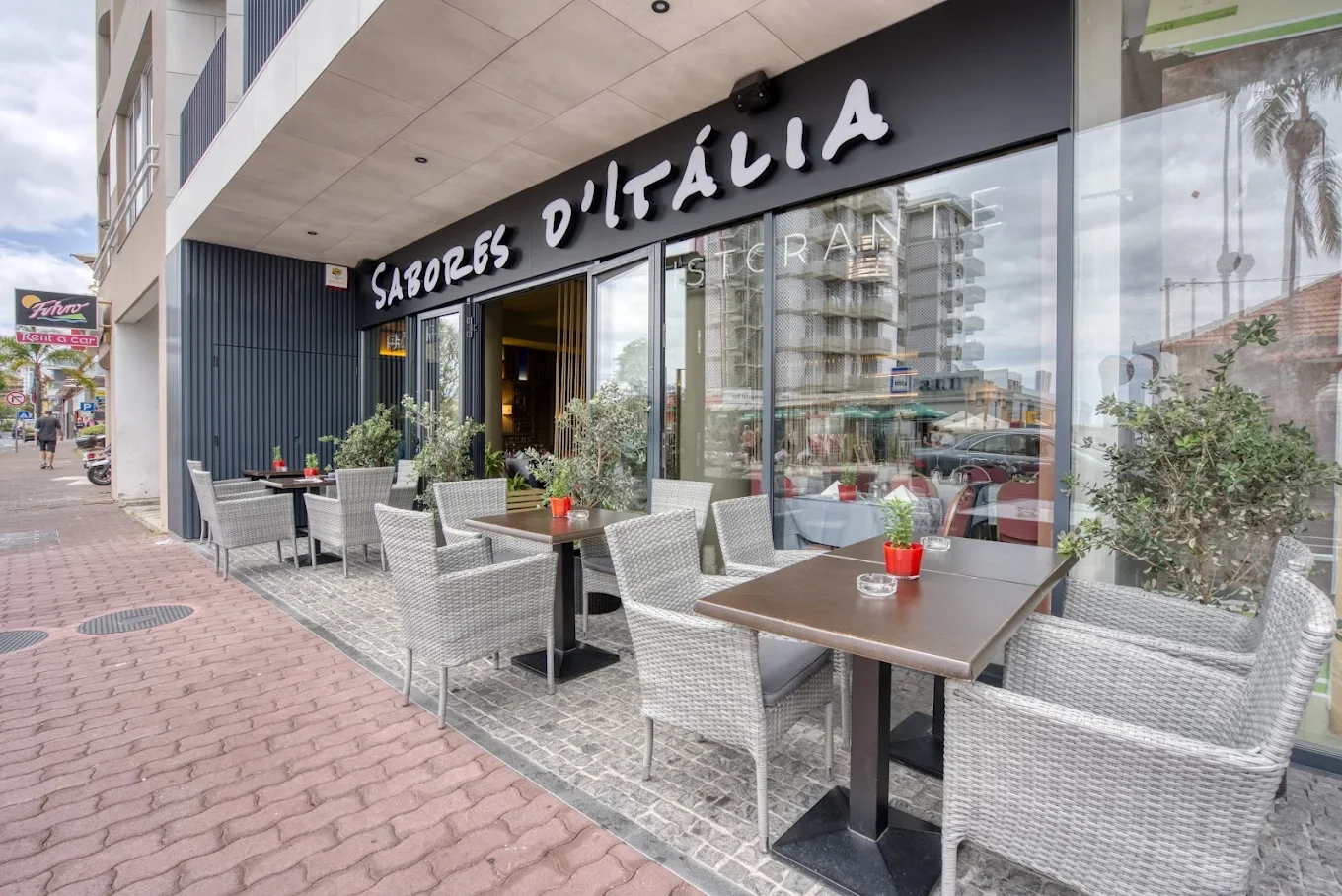
On about the fourth night of a week here, somebody in your party will want something that is not grilled on a stick, and that is the night this exists for. Fresh pasta, done properly, in the Lido, which is the stretch of seafront two kilometres west of the centre where the sea pools and most of the swimming are.
It is also the practical answer if you are staying at that end of town. Lido Branca and Lido Casa are both on Rua da Casa Branca, a few minutes away, and walking back along the promenade after dinner with the sea on your right is one of the better free things this city offers.
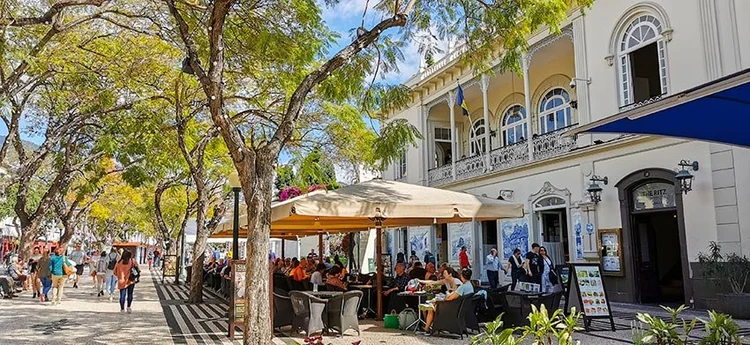
Where to Eat, by Part of Town
Funchal is small enough that all four of these are walkable from each other, so this is about what each street is for rather than about which one to stay near.
Rua da Carreira
The best eating street in the city, and the one we send people to first. It runs west out of the historic centre, it is where a lot of residents actually eat, and it is far enough from the cruise terminal that nobody is standing outside with a menu. If you have one night and no plan, walk the length of it and pick whatever looks busy at nine.
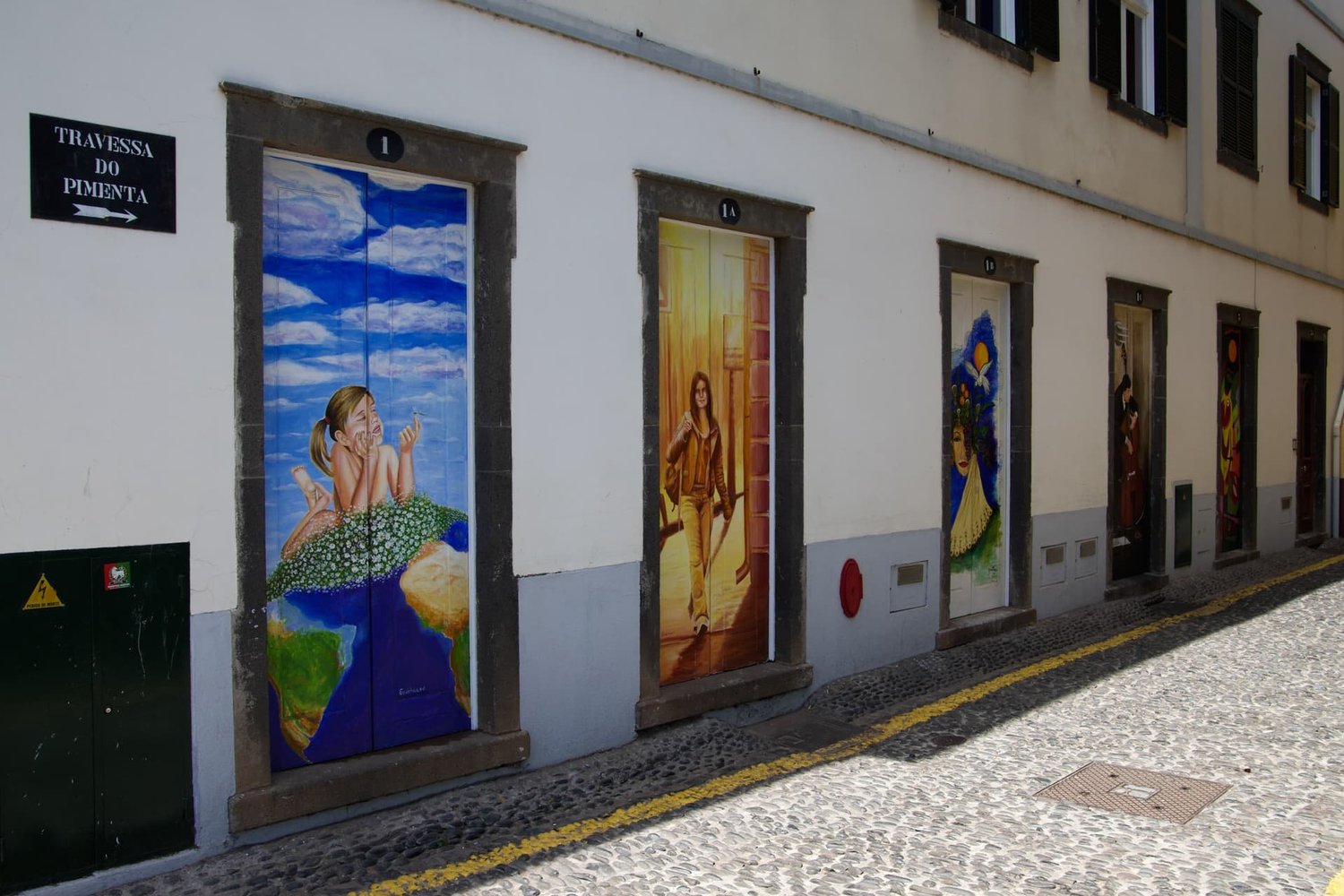
The Zona Velha and Rua de Santa Maria
The painted door street, and the most photographed part of the city. There is genuinely good food here alongside a lot of food aimed squarely at people who will not come back, and the two sit next to each other. The rule that works: if there is a person in the road trying to seat you, keep walking. If the menu has photographs on it, keep walking.
The Lido and Praia Formosa
Two kilometres west along the promenade, and the answer if you are swimming that day or staying at that end. Less traditional and more international than the centre, more relaxed, and better for a long lunch than for a serious dinner. The walk back into town afterwards is the point.
The marina and Avenida do Mar
You are paying for the water, and it is a perfectly good thing to pay for once. Have a drink here at sunset with the boats in front of you and eat somewhere else, and you will have had the best of it for about six euros.
The Market, and Eating at Home
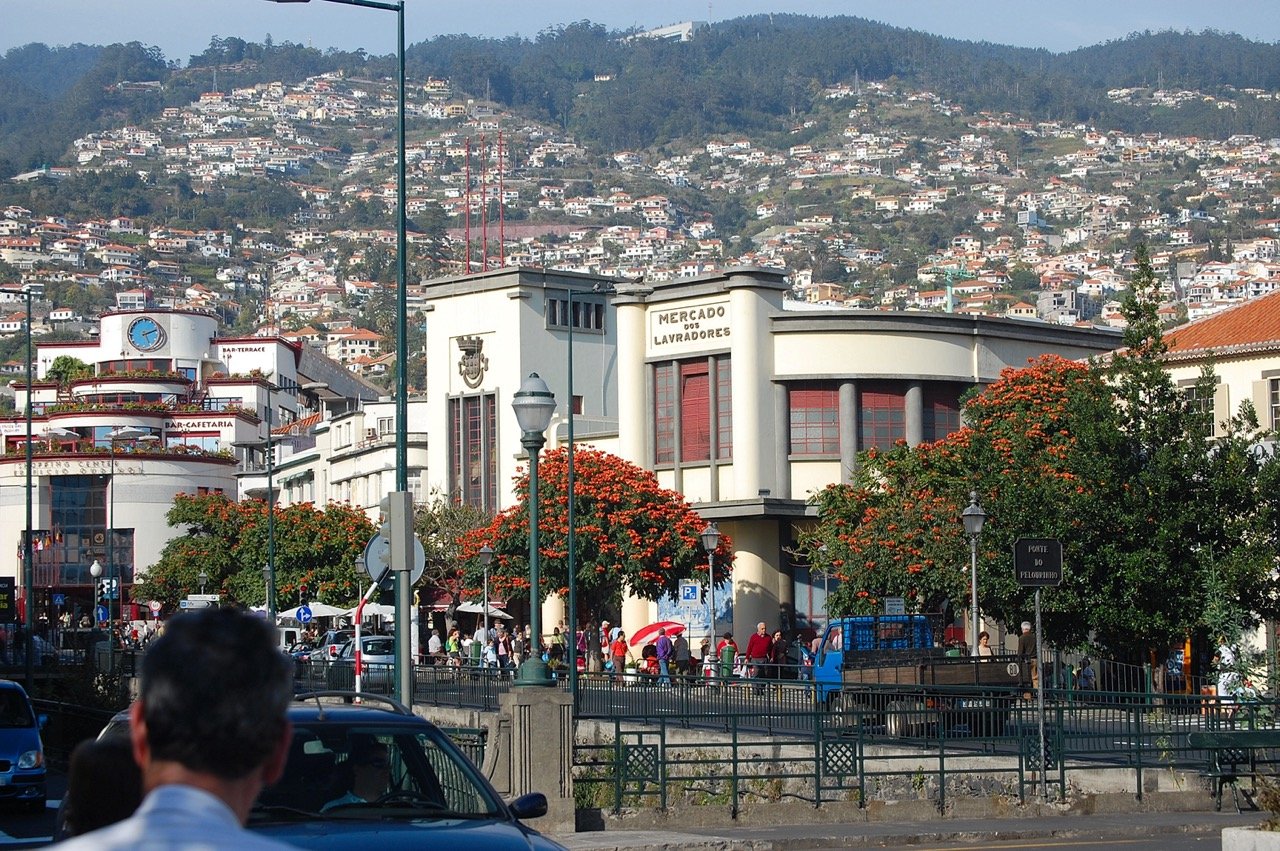
Mercado dos Lavradores, built in 1940, is the best shopping in the city and the worst tourist experience in it, depending entirely on the hour you arrive. Between ten and one it belongs to the cruise ships, and the fruit sellers on the ground floor who offer you a slice of custard apple and then quote a price are working a specific trade on a specific crowd. Go at half past two instead. The fish hall downstairs is still cutting, the flower stalls are still there, and it is a working market again.
It closes around four and does not open on a Sunday. Buy fish downstairs, fruit upstairs once the morning crowd has gone, and bolo do caco from any of the bakeries on the way home. For everything else, the supermarkets are cheaper and better stocked than the market for ordinary shopping.
Cooking at least twice in a week here is worth doing on its own terms rather than as an economy. Tuna at a Madeiran fish counter costs a fraction of what it costs at home, the produce is grown on the terraces above the city, and every one of our homes has a kitchen and a table worth using. It is also the single biggest saving available on a family trip.
Poncha, Cocktails and What Happens After Eleven
Poncha is the island's drink and it is not a cocktail in the modern sense: sugar cane spirit, honey and lemon, mixed in the glass with a wooden caralhinho. It was made for fishermen coming off the water at dawn and it is considerably stronger than it tastes, which is the standard warning and the standard thing nobody heeds. The traditional version uses lemon and the tourist version uses orange or passion fruit, and there is no shame in the second one.
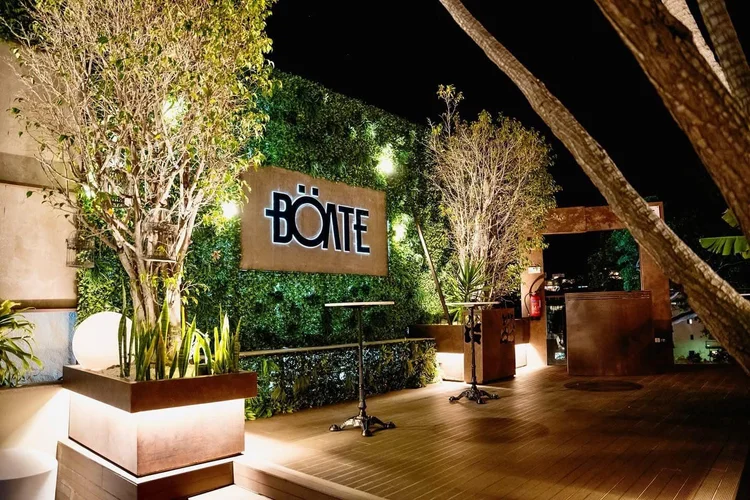
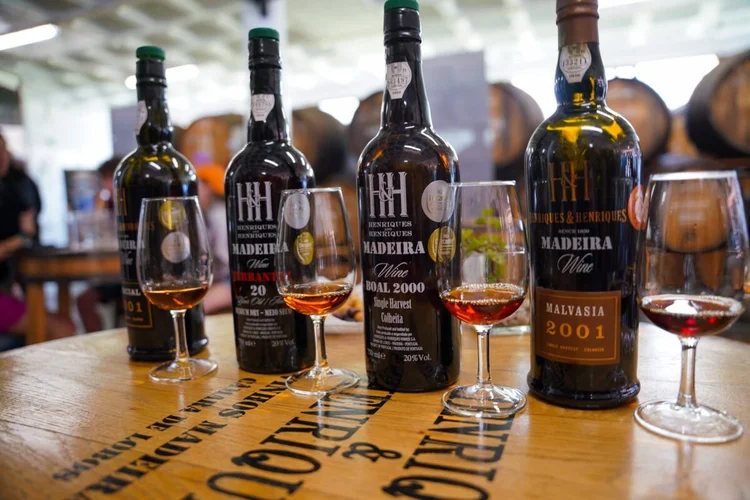
For a proper cocktail, Dash in the centre is where the bartending is taken seriously. For the later end of the evening, Böate has the terrace and stays open past the point where the rest of the centre has folded the chairs away. And Madeira wine itself is worth an hour in a lodge rather than a glass with dinner: the drier Sercial and Verdelho before a meal, Bual and Malmsey after it.
How to Tell a Tourist Trap From a Quiet Tuesday
Funchal has fewer bad restaurants than its cruise traffic would predict, but it has some, and they are concentrated in about four streets. Four signs get it right almost every time.
Somebody is standing outside with a menu. A restaurant that has to catch you in the street is not full at nine, and it is not full at nine for a reason. This one sign eliminates most of the problem on its own.
The menu has photographs, or more than three languages. Both mean the room does not expect anyone who knows what the dish is. A short menu in Portuguese with a translation under it is the opposite signal and a very good one.
It is full at seven. Nobody local eats at seven. A room full at seven is a room full of people on their first evening, which tells you nothing about the food and quite a lot about the marketing.
Everything is available. On an island, an enormous menu means a large freezer. The places worth eating in run out of things, change the board daily and will tell you what is good today if you ask, which is the question to ask everywhere.
The single best meal most of our guests report is not in this city at all. It is a plate of lapas and a beer at a place with six tables somewhere on the coast, on a day they had not planned it. Leave one dinner a week unbooked.
Eating in Funchal, Answered
Where do locals eat in Funchal?
Rua da Carreira more than anywhere else, and the streets running off it, which are far enough from the cruise terminal to be priced for residents. At lunch, wherever has a prato do dia on a board outside. What locals largely do not do is eat on the marina or in the busiest part of the Zona Velha, and they do not eat at seven.
How much does dinner cost in Funchal?
Around 20 to 25 euros a head for a full dinner with wine in an ordinary local restaurant, which is noticeably less than the Algarve or mainland Spain. A prato do dia at lunch is often under 10. The marina, the hotel zone and anywhere with a harbour view run well above that, and you are paying for the view rather than the cooking.
Do you need to book restaurants in Funchal?
On a Friday or Saturday, and for anywhere small, yes. The rest of the week you can usually walk in at half past eight and be seated. The exception is the fortnight around New Year, when the city is full and some places need booking weeks in advance.
What time do people eat dinner in Madeira?
From about eight, and later at the weekend. A restaurant that looks empty at seven will be busy by nine, so an empty room early in the evening tells you the hour rather than the quality. Lunch is the bigger meal for many residents and runs from about half past twelve to three.
What should you eat in Funchal?
Espetada, beef on a bay laurel stick grilled over wood and shared by the kilo. Bolo do caco, the sweet potato flatbread with garlic butter, with everything. Lapas, limpets grilled in the shell. And black scabbardfish, the deep water espada, usually served with fried banana. Those four are the local canon and you can have all of them in two dinners.
Staying Within Walking Distance of Dinner
Where you sleep in Funchal decides how you eat here, because the difference between walking home and driving home is the difference between having a bottle of wine and not. Carreira Solar and Carreira Vicente are on Rua da Carreira itself, which is the best eating street in the city. Santa Catarina is a few minutes west on Avenida do Infante, walkable to both the centre and the seafront. Lido Branca and Lido Casa put you by the sea pools with the promenade walk into town. Centro Mar in São Martinho is the long stay option. Every one of them has a kitchen and a table worth using on the nights you buy fish at the market instead.
Three guides that go with this one
 Food
Traditional Madeiran Food
What every dish on the menu actually is, before you have to order one.
Read guide Areas
Where to Stay in Funchal
Old Town, Rua da Carreira or the Lido, and which one you want to eat from.
Read guide Experiences
Best Things to Do in Madeira
What to do with the hours between lunch and dinner, ranked.
Read guide