Staying in Madeira Without a Car: Where to Base & How to Manage
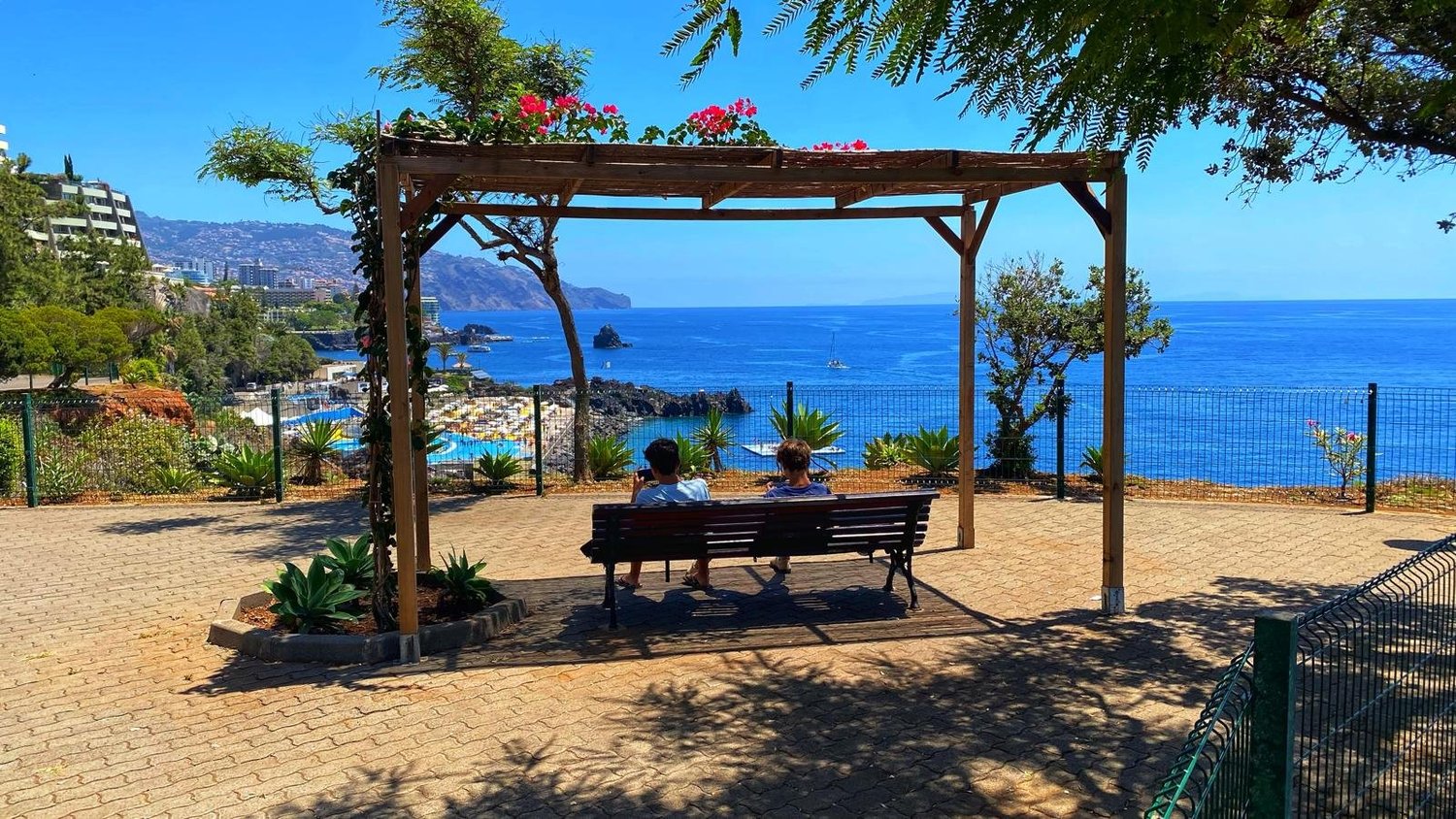
You can have an excellent week in Madeira without driving, and most of our guides tell you that you need a car, so this page exists to say exactly where those two things meet. The honest position is this: Funchal works completely on foot, the headline walks and the big sights are all reachable by bus, taxi or an organised day, and what you give up is spontaneity and about two of the seven days a driver would get. Here is how to build the week so that trade is a good one.
Doing Madeira without driving
- Base yourself in Funchal. It is the only realistic car free base on the island, and it is a very good one.
- Within Funchal, choose the Old Town or the Lido. Both are flat enough, walkable and fully served by bus.
- Walks. Book guided days. Transport and the trail permit come with them, which solves both problems at once.
- Big sights. The cable car, Monte, the market and the promenade need nothing but your feet and a ticket.
- Day trips. Buses reach Câmara de Lobos, Calheta, Santana and Porto Moniz. Slowly, and on their own timetable.
- Taxis. Cheap by northern European standards and the right tool for one awkward journey rather than a week.
- What you lose. Sunset viewpoints, the far west, and being able to change your mind at ten in the morning.
- The compromise. Hire a car for two days of a week. Most of the benefit, very little of the cost.
If you have not chosen an area yet, read this alongside the area guide, which compares every base on the island rather than only the car free ones.
What You Actually Give Up
Madeira is a mountain, and the public transport on it was built for the people who live here rather than for the people visiting. That single fact explains everything on this page. Buses run early in the morning from the villages into Funchal and back out again in the late afternoon, because that is the shape of a working day. It is not the shape of a visitor's day, which wants to arrive somewhere at ten and leave at four.
So three things are genuinely harder without a car. Trailheads, because a bus that gets you to Rabaçal for eleven and takes you home at half past four is not a five hour walk. Sunsets and viewpoints, because the good ones are on mountain roads with no service at all after dark. And the far west, Paúl do Mar and Jardim do Mar included, where the timetable is thin enough that a day trip becomes an expedition.
What you do not give up is most of the island's best days. The cable car, Monte, the market, the Old Town, the Lido, the promenade, whale watching, the wine lodges and a genuinely good restaurant scene are all in one walkable city. Add two or three organised days and you have covered PR1, a levada, the north coast and the west without ever holding a key.
The most common mistake is booking somewhere beautiful and remote and planning to manage. Every other guide on this site is blunt about this and so is this one: outside Funchal, and that includes our own cottages in Paúl do Mar, a car is the condition of the stay rather than a convenience.
Where to Base Yourself Without a Car
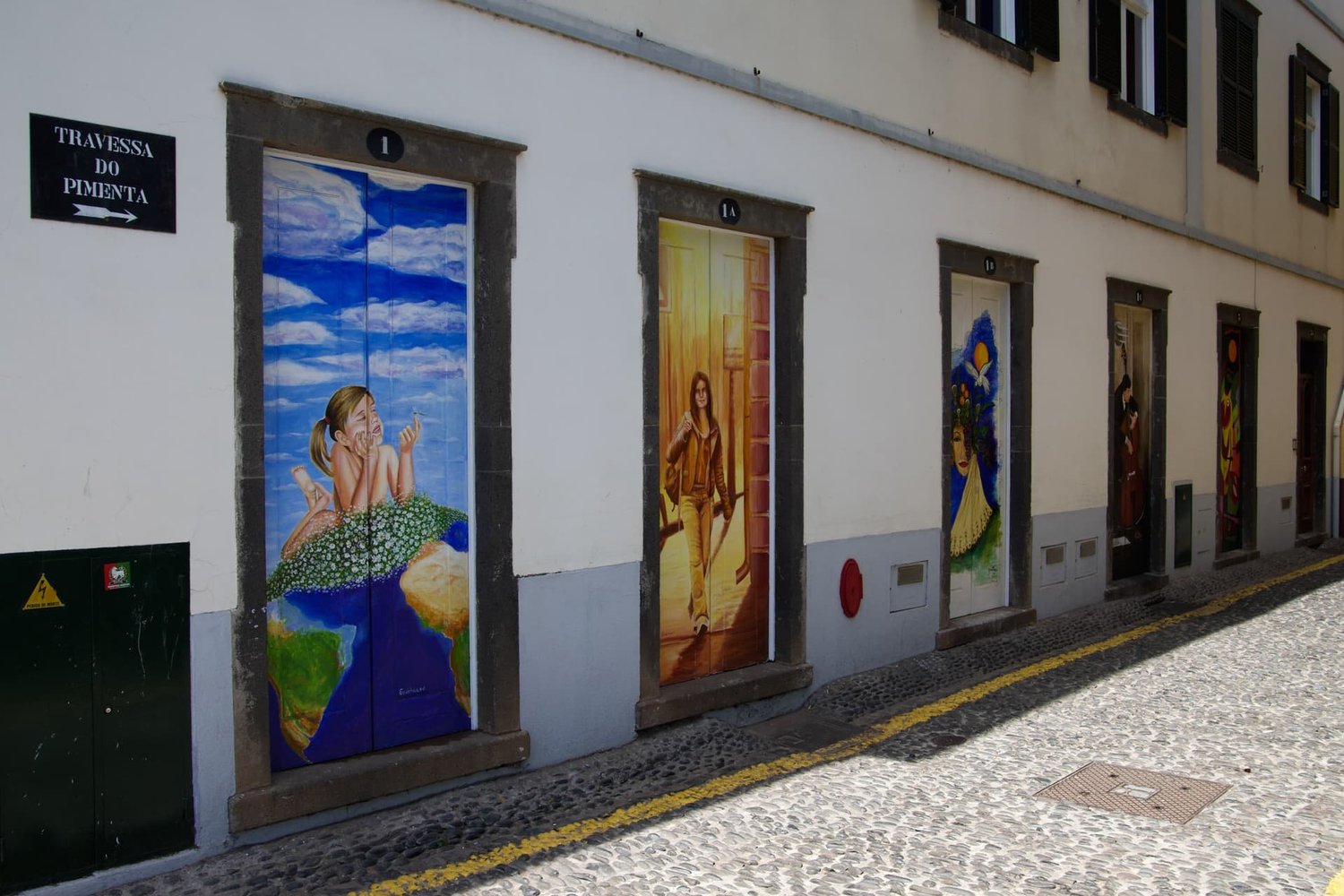
Funchal, and then a specific part of Funchal. The city climbs steeply away from the water, so the difference between a flat ten minute walk home and a twenty minute climb is a real consideration at the end of a long day, and it is decided entirely by which street you book.
Old Town and Rua da Carreira
The strongest car free choice. You are inside the historic centre, so the market, the cathedral, the marina, the cable car station and about forty restaurants are all within fifteen minutes on foot, and it is the flattest part of the city. Every bus on the island passes through here or terminates nearby.
Avenida do Infante and Santa Catarina
A few minutes west, quieter and greener, with the park and the marina below and both the Old Town and the seafront walkable. Slightly further from the bus interchange and slightly more uphill, which is a small cost for a considerably calmer street.
The Lido
Two kilometres west along the promenade, and the choice if swimming matters. The sea pools and Praia Formosa are on the doorstep, the promenade walk into town is flat and takes about half an hour, and the bus does it in ten minutes for a euro or two. It is the best car free base for anybody who wants water every day.
Where not to book
Anywhere above the city with a view. Monte, the hillside villas and the residential slopes are wonderful and they are a taxi from everything, including from breakfast. Likewise São Martinho, which is residential rather than walkable, and the whole of the rest of the island.
How the Buses Actually Work
Four operators cover the island and knowing which is which saves a lot of confusion. Horários do Funchal, the orange ones, run the city and the inner ring, and they are frequent, cheap and easy. SAM runs east, including the airport. Rodoeste runs west toward Câmara de Lobos, Ribeira Brava, Calheta and beyond. EACL covers the north east.
Inside Funchal the system is genuinely good. Buy a rechargeable card rather than paying cash each time, because the fare drops substantially, and the routes along the seafront between the Lido and the centre run constantly. For getting around the city, this is all you need and you will spend a couple of euros a day.
Beyond the city it changes character. The regional buses are comfortable and cheap and they are timed for residents, so a village service may run into Funchal at seven in the morning and back at five in the afternoon with very little between. Check the return before you commit to the outbound, because the classic car free mistake here is a lovely afternoon somewhere with no way home until tomorrow.
Sunday is a different island on public transport. Services thin out sharply across all four operators, so plan a Funchal day, a boat or a guided trip for the Sunday of your week rather than a village.
Seven Days That Work Without a Car
This is the car free version of our seven day itinerary, and it keeps more of it than you would expect.
Funchal on foot, exactly as written
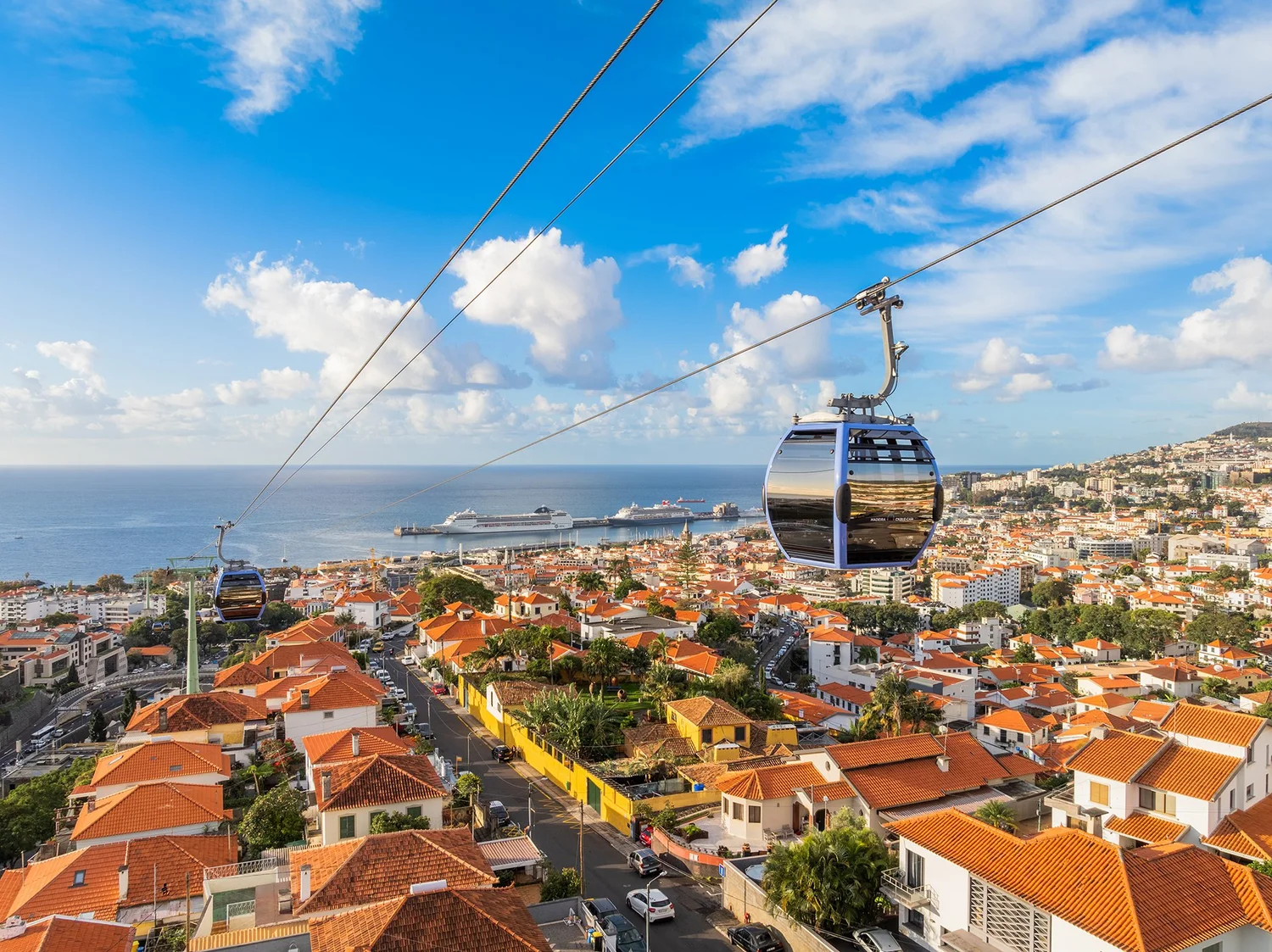
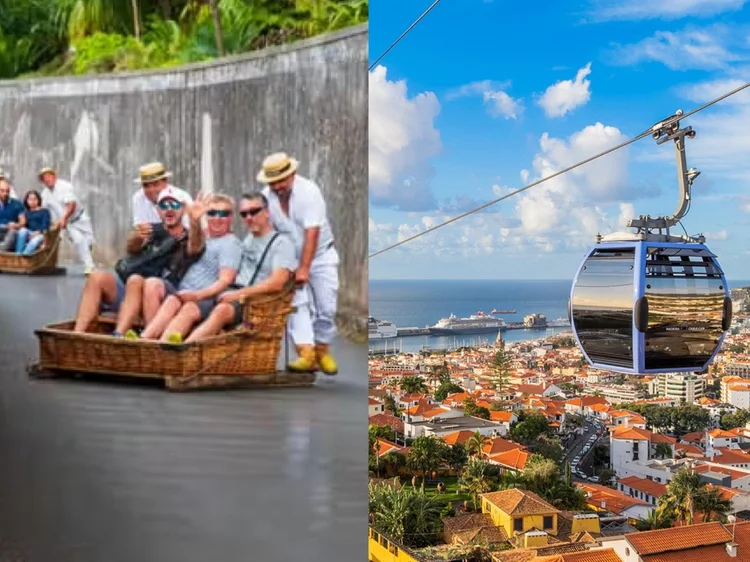
The arrival walk, the Old Town, the marina, the cable car up to Monte, the tropical garden, the toboggan down and the market in the afternoon. None of this needs a car in the original itinerary either, so nothing is lost. The cable car is a real transport link rather than an attraction: it is how you get to Monte.
A levada, guided
Book a guided walking day. The operator collects you in Funchal, handles the SIMplifica permit, and takes you to a trailhead a bus does not usefully reach. This is the single highest value thing a car free visitor buys here, and it often costs less than the arithmetic of car, fuel and permit suggests.
Câmara de Lobos and the coast by bus
Rodoeste runs west along the coast frequently enough to be casual about. Twenty minutes to Câmara de Lobos for the harbour and the poncha bars, and the service carries on to Ribeira Brava and Calheta if you want the beach. Cabo Girão is the awkward one: the skywalk is above the bus route, so take a taxi up from Câmara de Lobos.
On the water
A whale and dolphin boat from the marina, which is a genuinely first rank thing to do here and needs no transport at all. Half a day, and the afternoon is the Lido and the promenade.
PR1 or the north coast, organised
The ridge walk is one way, so even drivers arrange transport for it. A guided group or a taxi with a pre agreed pickup at Achada do Teixeira works exactly as well without a car as with one. If walking is not the point, take an organised north coast day instead and get Santana, São Vicente and Porto Moniz in one.
The city again, and better for it
Wine lodges, the botanical garden, a long lunch, the promenade. The last day of a car free week is the one where not having to return a vehicle to an airport desk starts feeling like the better arrangement.
Taxis, Guided Days and the Two Day Compromise
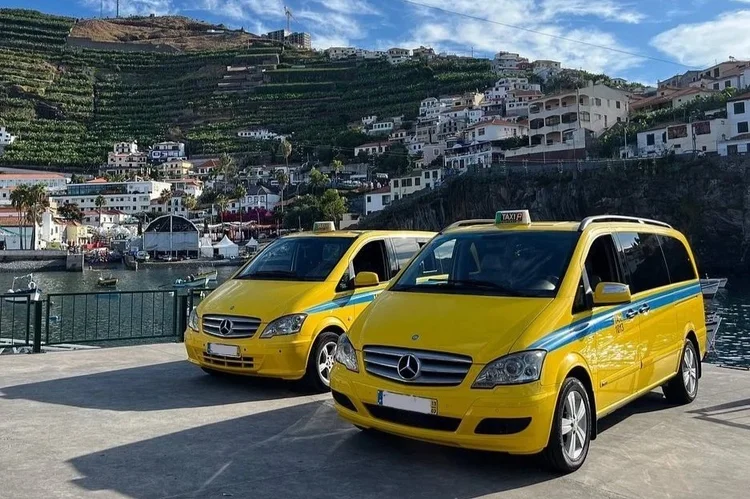
Taxis here are cheap by northern European standards and they are the right tool for one specific awkward journey rather than for a whole week. A run up to a viewpoint, a lift to a trailhead with a pre agreed pickup time, the way home after a dinner that ran late: all of those are a few euros and all of them are better than rearranging your day around a timetable. What does not work is using them as a substitute for a car, because four of those a day for a week costs more than the hire would have.
Guided days are the real answer, and the reason is that they solve two problems at once. On a walking day the operator handles both the driving and the trail permit, which the SIMplifica system now makes compulsory. On a sightseeing day they get you to four places that would each be a separate bus expedition.
And then there is the compromise almost nobody considers, which is to hire a car for two days of a seven day trip. You keep the walkable Funchal base, you skip the parking problem for five of the seven nights, and you buy back exactly the two days that public transport cannot give you: the far west, and a sunset somewhere high. It costs very little and it is what we would do.

Whether Not Driving Actually Saves You Money
Sometimes, and less than people assume. A hire car is from about 25 euros a day in the quiet months and roughly double that in August, plus fuel, which is expensive here, plus parking if your accommodation has none.
Against that, a car free week runs on a few euros a day of bus fares, a handful of taxis and two or three organised days. The organised days are the cost that matters, and two of them will typically come to more than several days of hire. So for a couple the two approaches land close together, and for a family of four the car wins clearly, because a bus fare and a tour seat are per person and a car is not.
Which means the decision should not be made on money. Make it on whether you want to drive these roads. They are steep, narrow in places, and the gradients are genuinely severe, and a nervous driver will have a worse holiday in a car than out of one. That is a perfectly good reason to choose this page, and it is the reason most of our car free guests give.
Madeira Without a Car, Answered
Can you visit Madeira without a car?
Yes, provided you base yourself in Funchal. The city works entirely on foot, the bus network covers it well, and guided days and taxis reach the trailheads and viewpoints that buses do not. What you give up is spontaneity and roughly two days of what a driver would fit into a week. Anywhere outside Funchal is a poor car free base, including the west coast.
Where should you stay in Madeira without a car?
Funchal, and within it the Old Town and Rua da Carreira area or the Lido. Both are flat, walkable and fully served by bus, and the Old Town puts the market, the cable car and the restaurants inside a fifteen minute walk. Avoid the hillside above the city however good the view is, because it is a taxi from everything including breakfast.
Is public transport good in Madeira?
Inside Funchal it is genuinely good: frequent, cheap, and cheaper still with a rechargeable card. Across the island it is comprehensive but timed for residents rather than visitors, so village services often run into the city early and back late in the afternoon with little in between. Always check the return journey before committing to the outbound, and expect a much thinner service on Sundays.
Can you hike in Madeira without a car?
Yes, by booking guided walking days. The trailheads are the hardest places on the island to reach by bus, and since 2026 every classified trail also needs a SIMplifica permit booked in advance. A guided operator handles both the transport and the permit, which is why this is the single most useful thing a car free visitor buys here.
Is it cheaper to visit Madeira without a car?
For a couple, the two work out close: hire and fuel on one side, bus fares, taxis and two or three organised days on the other. For a family of four the car is clearly cheaper, because tour seats and bus fares are charged per person and a car is not. Decide on whether you want to drive the roads rather than on the money, because they are steep and narrow and a nervous driver has a worse trip in a car.
Can you get to Paúl do Mar without a car?
You can reach it, but you should not stay there without one. Bus services to the far west are limited and built around residents, the nearest full supermarket is fifteen minutes away in Calheta, and everything the west coast is worth coming for is a drive. If you are not driving, keep the west coast as a day trip or save it for a trip when you are.
The Homes That Work Without a Car
Six of our nine qualify, and it is worth saying plainly which three do not. Carreira Solar and Carreira Vicente are on Rua da Carreira in the historic centre, which is the strongest car free address we have: the market, the cable car station and forty restaurants are inside a fifteen minute walk. Santa Catarina is on Avenida do Infante, quieter and still walkable both ways. Lido Branca and Lido Casa are by the sea pools with a flat promenade walk into town and a ten minute bus if you would rather not. Centro Mar in São Martinho is residential and better with a car, and for stays of a month or more. The three Paúl do Mar cottages need a car without exception, so use the Funchal filter below rather than the full list.
Three guides that go with this one
 Areas
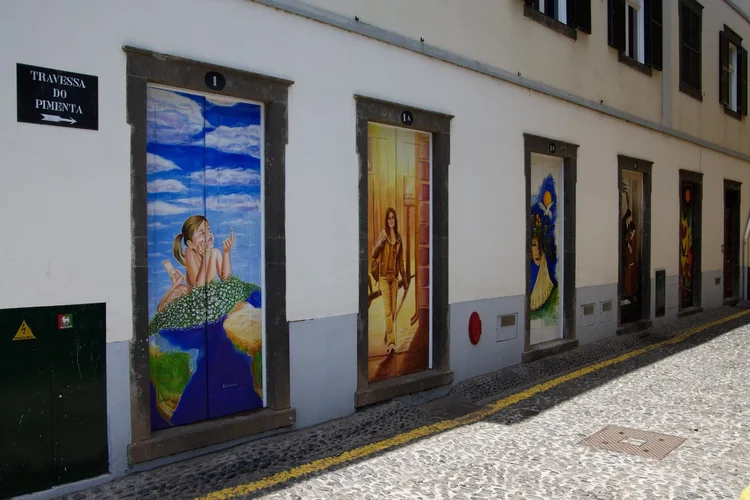
Where to Stay in Funchal
Street by street, including which ones are flat and which are a climb home.
Read guide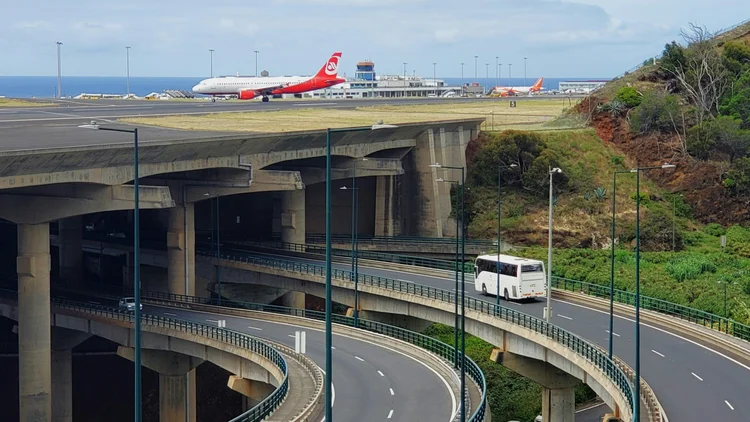 Plan
Madeira Airport to Funchal
Taxi, bus, transfer or Bolt, and what each one costs from the terminal.
Read guide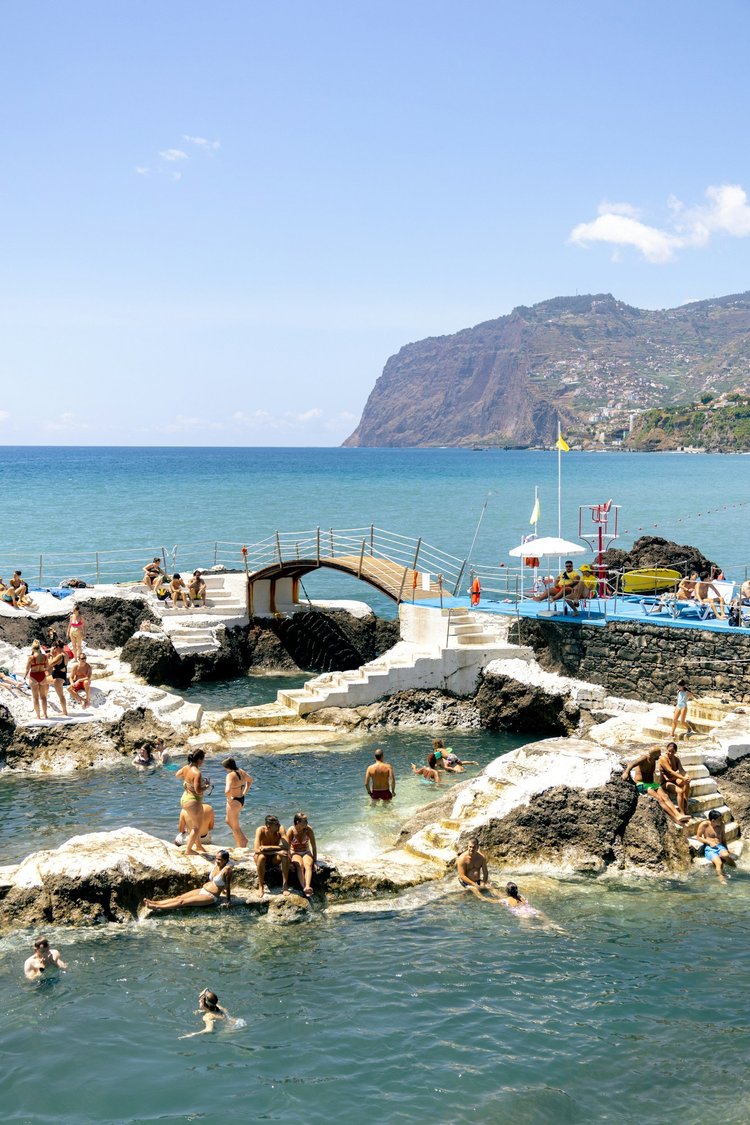 Experiences
Best Things to Do in Madeira
Ranked, and it says which of the ten need a car and which do not.
Read guide